
The Life of
Zao Wou-Ki
A Visual Chronology
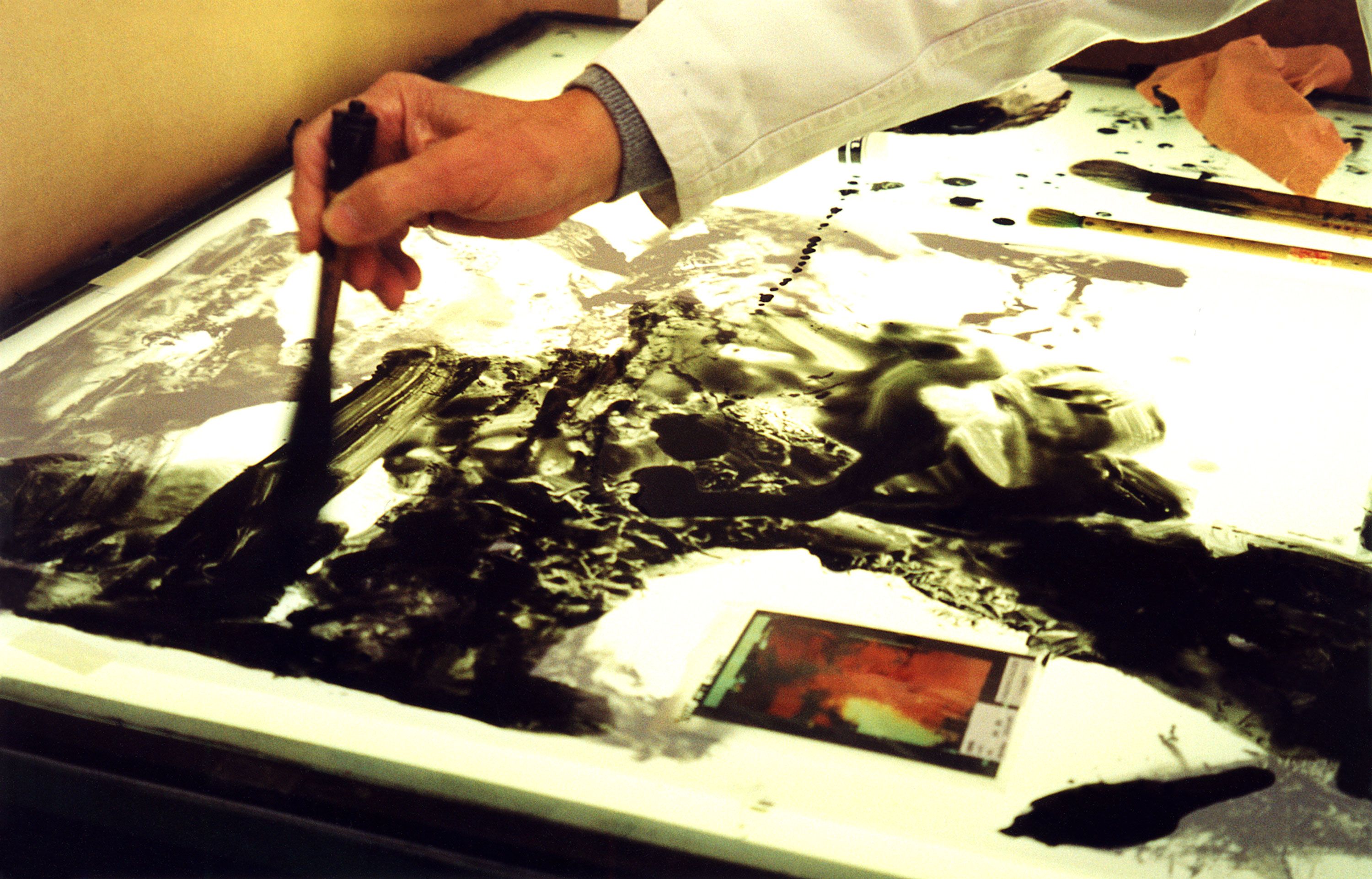

‘Everyone is bound by a tradition; I am bound by two.’
── Zao Wou-Ki

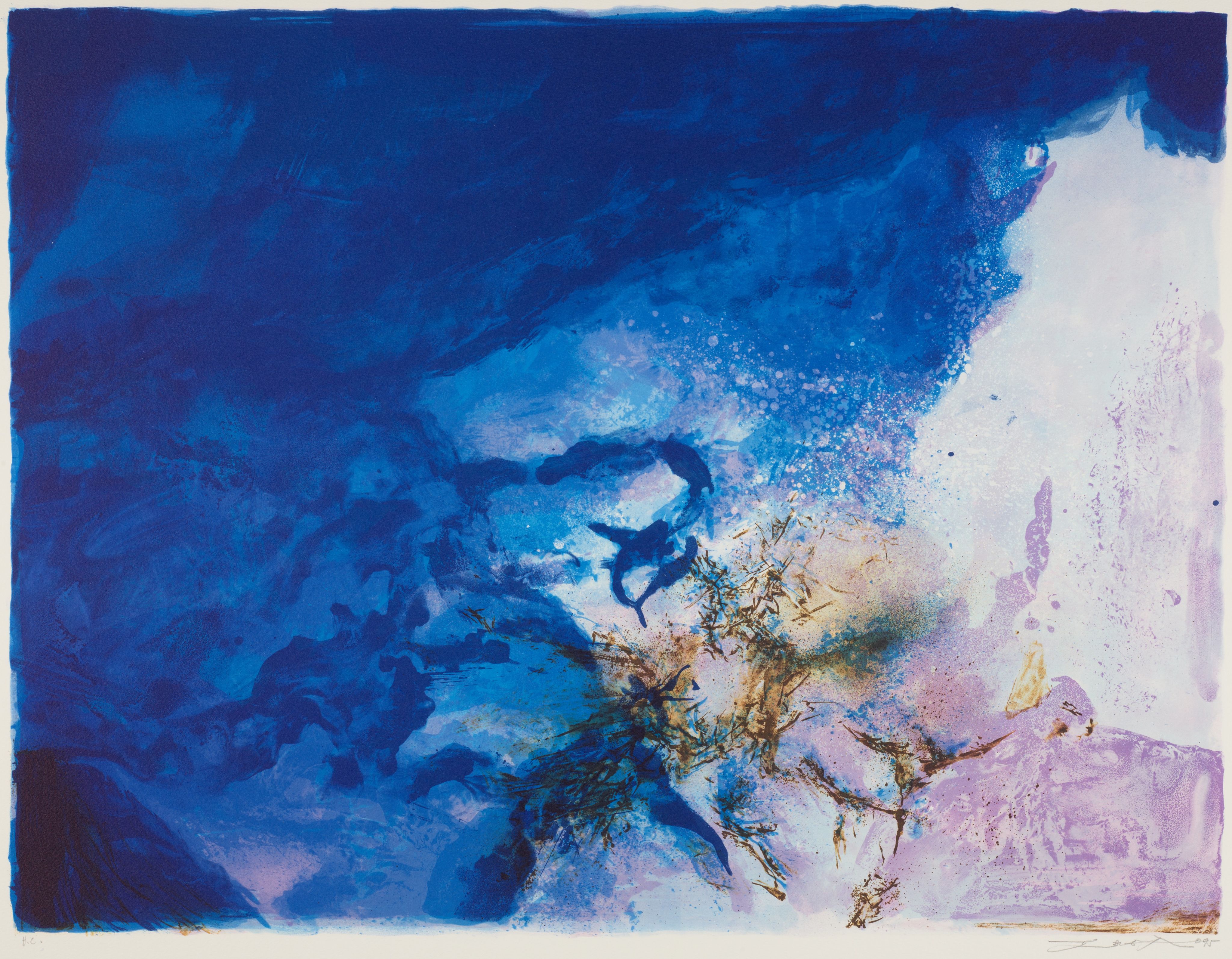
Who is Zao Wou-Ki?
1920s to 1930s
Zao Wou-Ki was born in February 1920 in Beijing. He grew up in a prominent family. The family tradition of amassing scholarly items provided visual nourishment for the young Zao’s creative development and also imparted an understanding of his cultural roots.

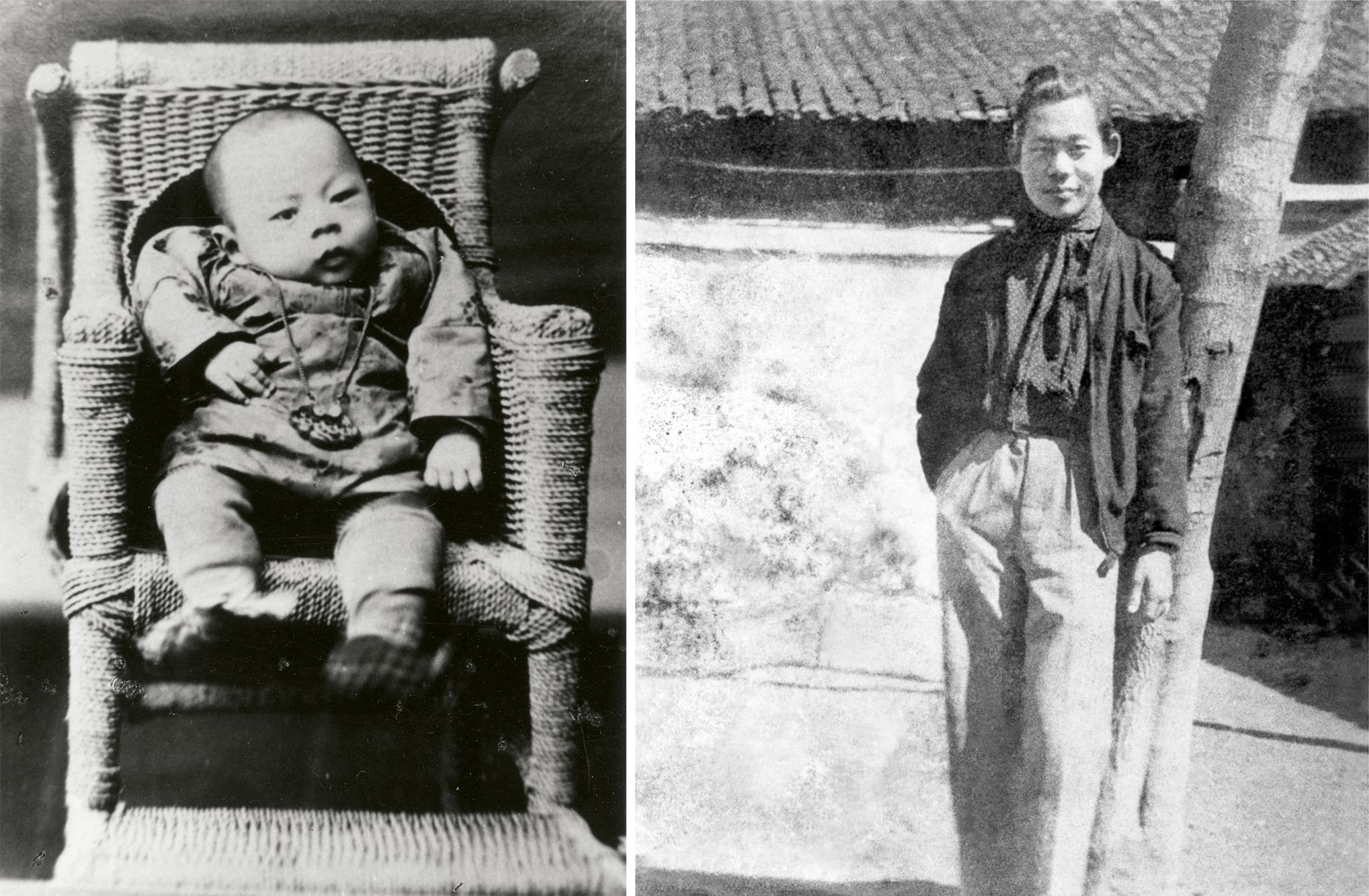
Left: Zao Wou-Ki, ca. 1920. © All rights reserved. Image courtesy of Fondation Zao Wou-Ki. Right: Zao Wou-Ki at Hangzhou School of Fine Arts (now the China Academy of Art), ca.1935. © All rights reserved. Image courtesy of Fondation Zao Wou-Ki
Left: Zao Wou-Ki, ca. 1920. © All rights reserved. Image courtesy of Fondation Zao Wou-Ki. Right: Zao Wou-Ki at Hangzhou School of Fine Arts (now the China Academy of Art), ca.1935. © All rights reserved. Image courtesy of Fondation Zao Wou-Ki
Important figures in Zao Wou-Ki’s early years

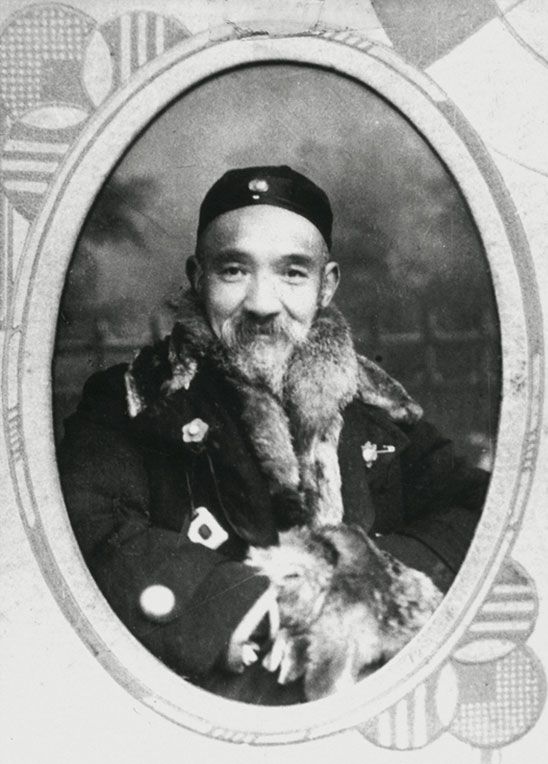
© All rights reserved. Image courtesy of Fondation Zao Wou-Ki
© All rights reserved. Image courtesy of Fondation Zao Wou-Ki
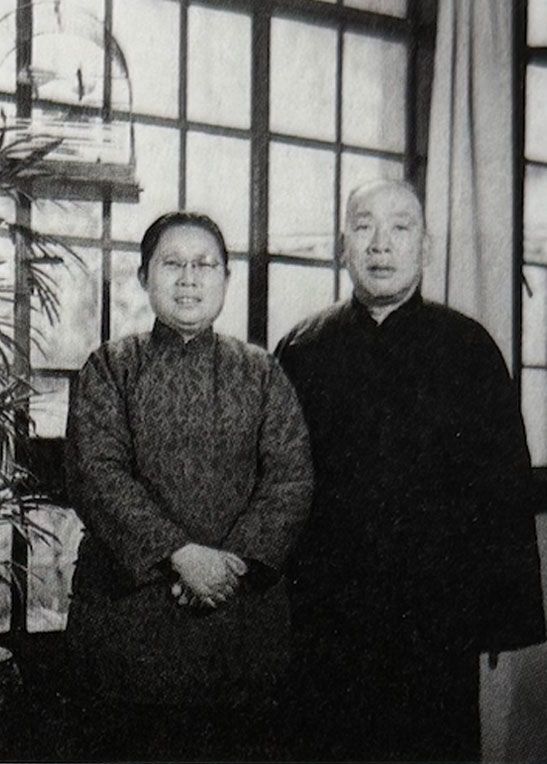
Zao’s grandfather was a highly educated scholar during the Qing Dynasty. He taught Zao how to read and write, nurturing his interest in Chinese culture, ink art, and calligraphy.
It was during calligraphy lessons with his grandfather that Zao first became acquainted with ink and brush. The casual but studied strokes by his grandfather imprinted on the young Zao the beauty of written Chinese characters.

© All rights reserved. Image courtesy of Fondation Zao Wou-Ki
© All rights reserved. Image courtesy of Fondation Zao Wou-Ki
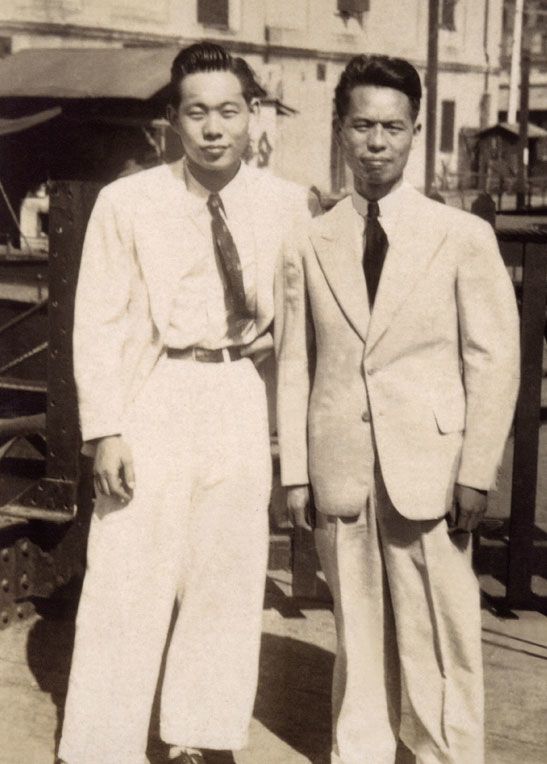
Zao’s father, Zhao Han-seng, was a bank president. He was among the first to collect works in oracle-bone script in addition to antique calligraphy and paintings.
It cultivated in Zao an affinity for pictorial rubbings of stone reliefs and bronze inscriptions, objects that he would eventually begin to collect.
© All rights reserved. Image courtesy of Fondation Zao Wou-Ki
© All rights reserved. Image courtesy of Fondation Zao Wou-Ki
During his studies at Hangzhou National College of Art (now the China Academy of Art), Zao was mentored by the artists Lin Fengmian and Wu Dayu (right), two of the greatest painters of their generation. Lin and Wu had previously studied in France, which inspired Zao to continue his artistic career in Paris.
Craving for New Things
1940s
While studying in Hangzhou, Zao encountered works by modernist artists such as Paul Cézanne, Henri Matisse, and Pablo Picasso through foreign books and magazines such as Life, Harper’s Bazaar, and Vogue. When he graduated, seeing originals by masters in Paris became his most pressing desire. But times were tumultuous, with the Sino-Japanese War and the Chinese Civil War, and travel was difficult. For the time being, the artist settled for a teaching position at his alma mater, the Hangzhou National College of Art (now the China Academy of Art). In February 1948, his opportunity finally came. With his father’s full support, Zao and his wife, Xie Jinglan, set sail for France. They took up residence in the artistic centre of Montparnasse.

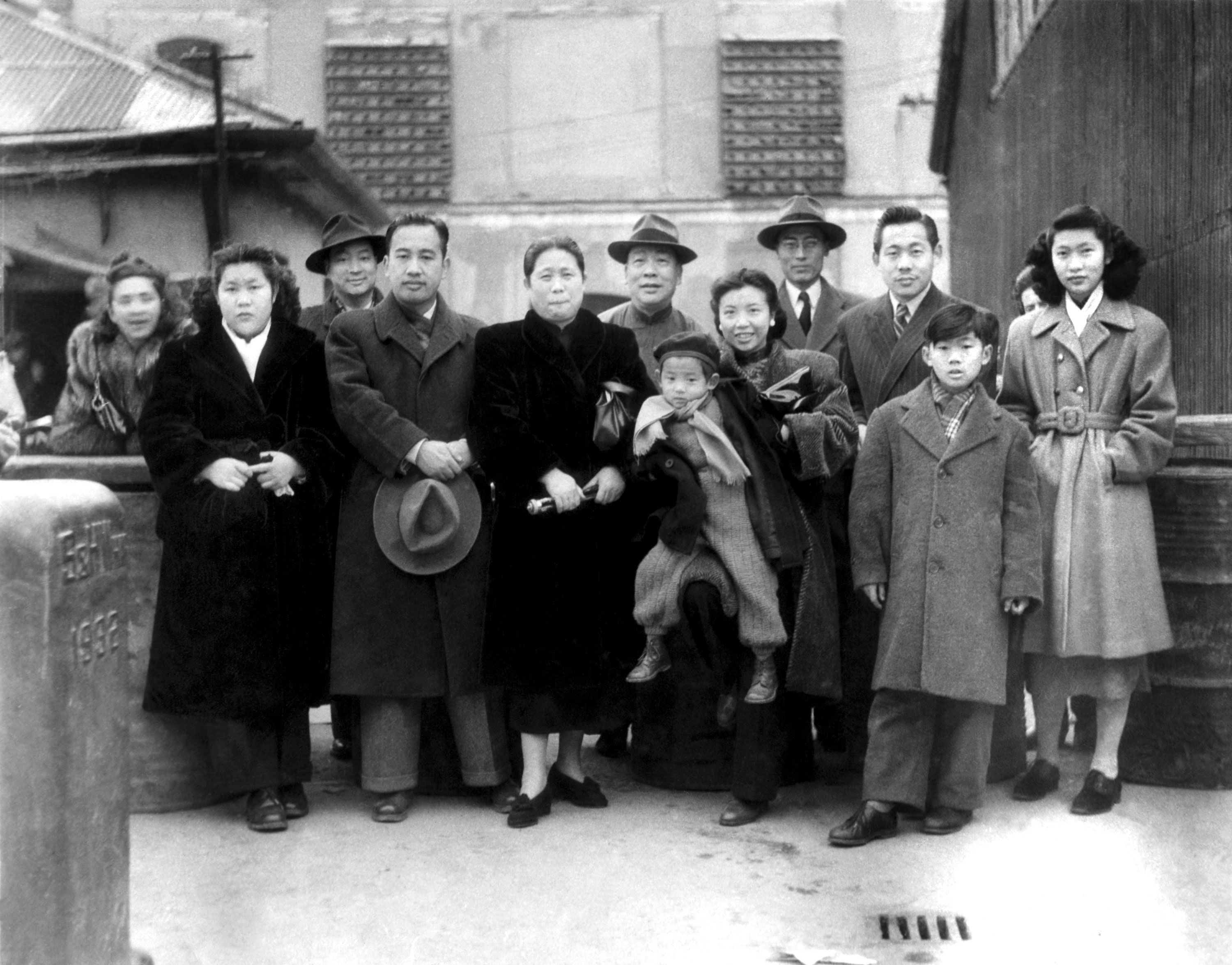
Zao Wou-Ki (third from right) with his whole family at the port of Shanghai, before leaving for France, 26 February 1948. © All rights reserved. Image courtesy of Fondation Zao Wou-Ki
Zao Wou-Ki (third from right) with his whole family at the port of Shanghai, before leaving for France, 26 February 1948. © All rights reserved. Image courtesy of Fondation Zao Wou-Ki
‘In Paris, I long to live in Montparnasse, as if it were almost superstitious, as though living there would bring me closer to my established goals.’
── Zao Wou-Ki
Quality of an artist
Zao once said: ‘It comes with ease for me to paint in the Chinese tradition, yet I would not rest upon it.’ When he first arrived in Paris, he was reluctant to make ink art. He did not want to be pigeonholed as a traditional Chinese painter. Although he was skilled in this medium, he resented its reliance on technique and the relentless repetition it involved. The perpetual urge to continuously outdo himself and chase new breakthroughs would become a theme throughout his life, and it led him to the Atelier Desjobert.

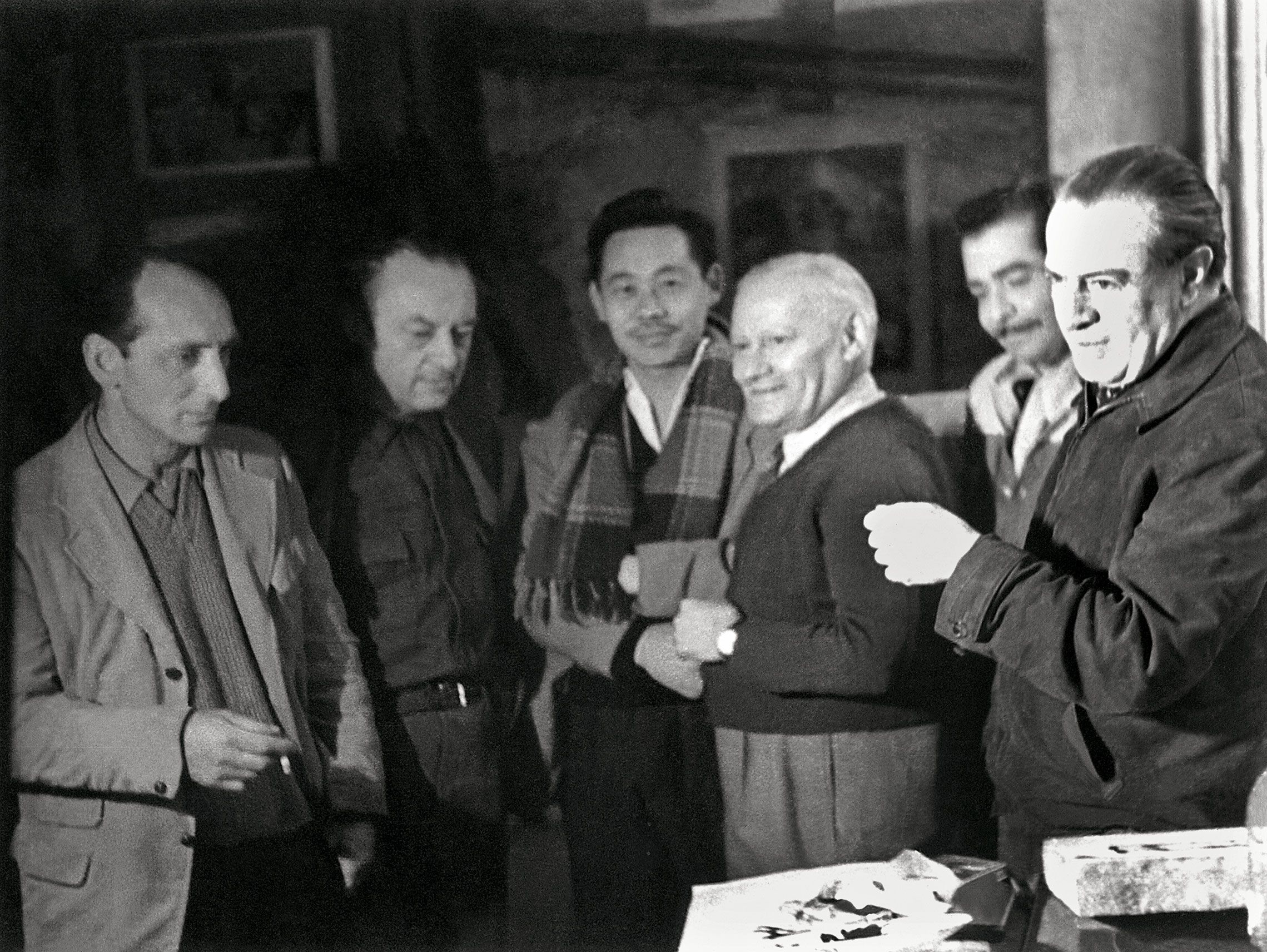
Zao Wou-Ki (the third from left) and Edmond Desjobert (the fourth from left) at Desjobert’s workshop in Paris in 1955. © All rights reserved. Image courtesy of Fondation Zao Wou-Ki
Zao Wou-Ki (the third from left) and Edmond Desjobert (the fourth from left) at Desjobert’s workshop in Paris in 1955. © All rights reserved. Image courtesy of Fondation Zao Wou-Ki
Having learnt to make woodblock prints in China, Zao was no stranger to printmaking. In Paris, his peers introduced him to other techniques, such as lithography and etching. He described printmaking as ‘almost a game’, a more playful and unpredictable process than oil painting, in which results are more immediate. This approach pushed him to experiment with new visual effects, producing surprising outcomes.

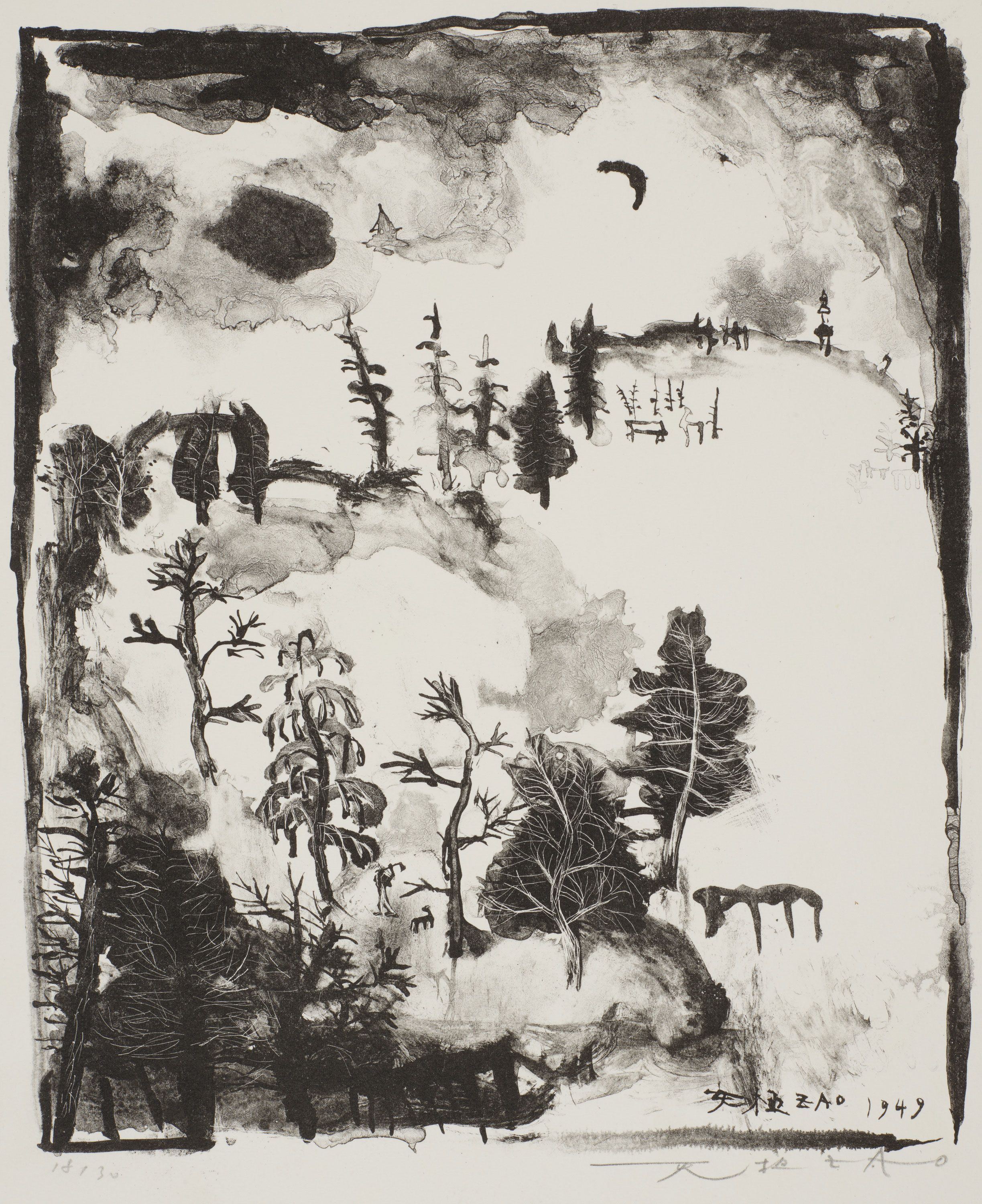
Zao Wou-Ki. Landscape with Crescent, 1949. Lithograph. M+, Hong Kong. Gift of Françoise Marquet Zao, 2024. Zao Wou-Ki © ProLitteris, Zurich, 2025. Photo: M+, Hong Kong
Zao Wou-Ki. Landscape with Crescent, 1949. Lithograph. M+, Hong Kong. Gift of Françoise Marquet Zao, 2024. Zao Wou-Ki © ProLitteris, Zurich, 2025. Photo: M+, Hong Kong
Creative Connections
1950s
In Chinese literati art, poetry and painting are inseparable. Zao also worked with publishers and friends to make print illustrations for the collections of modern Western poets. The poet Henri Michaux was the first writer to work with Zao on a poetry book.

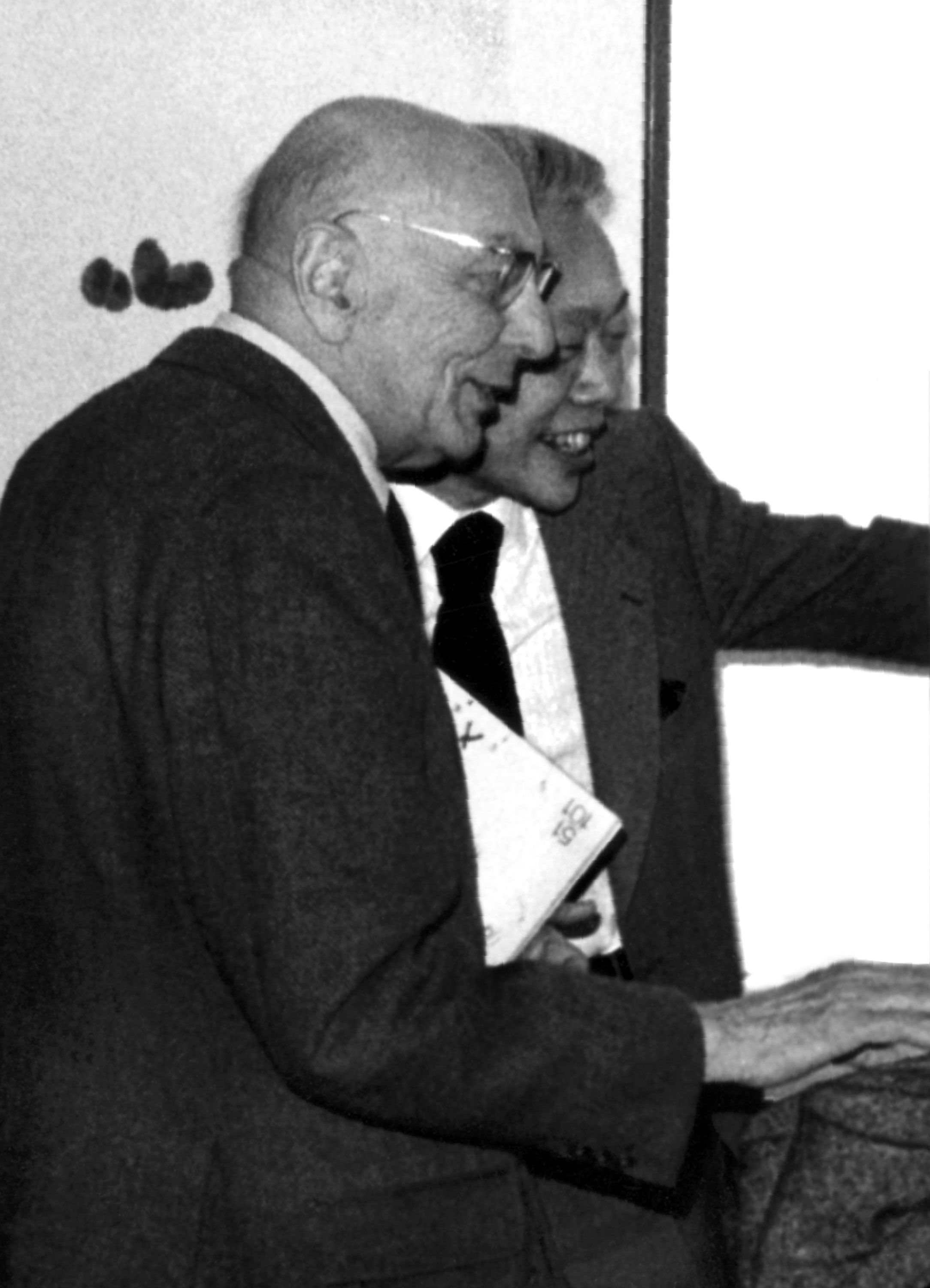
Henri Michaux and Zao Wou-Ki at the opening of Zao Wou-Ki’s Chinese ink exhibition at the Galerie de France in 1980. © Mrs Sin-May Roy Zao
Henri Michaux and Zao Wou-Ki at the opening of Zao Wou-Ki’s Chinese ink exhibition at the Galerie de France in 1980. © Mrs Sin-May Roy Zao
‘It is through my drawings that I have made a lot of friends.’
── Zao Wou-Ki
Poetry within painting
Zao made a few landscape paintings before producing their print versions. The flat, linear shapes echo two different sources of inspiration, European modern art and Han dynasty ink rubbings. Three of the prints were later paired with poems in a book by Henri Michaux, who was the first writer to work with Zao on a poetry book. After this collaboration, they became lifelong friends.

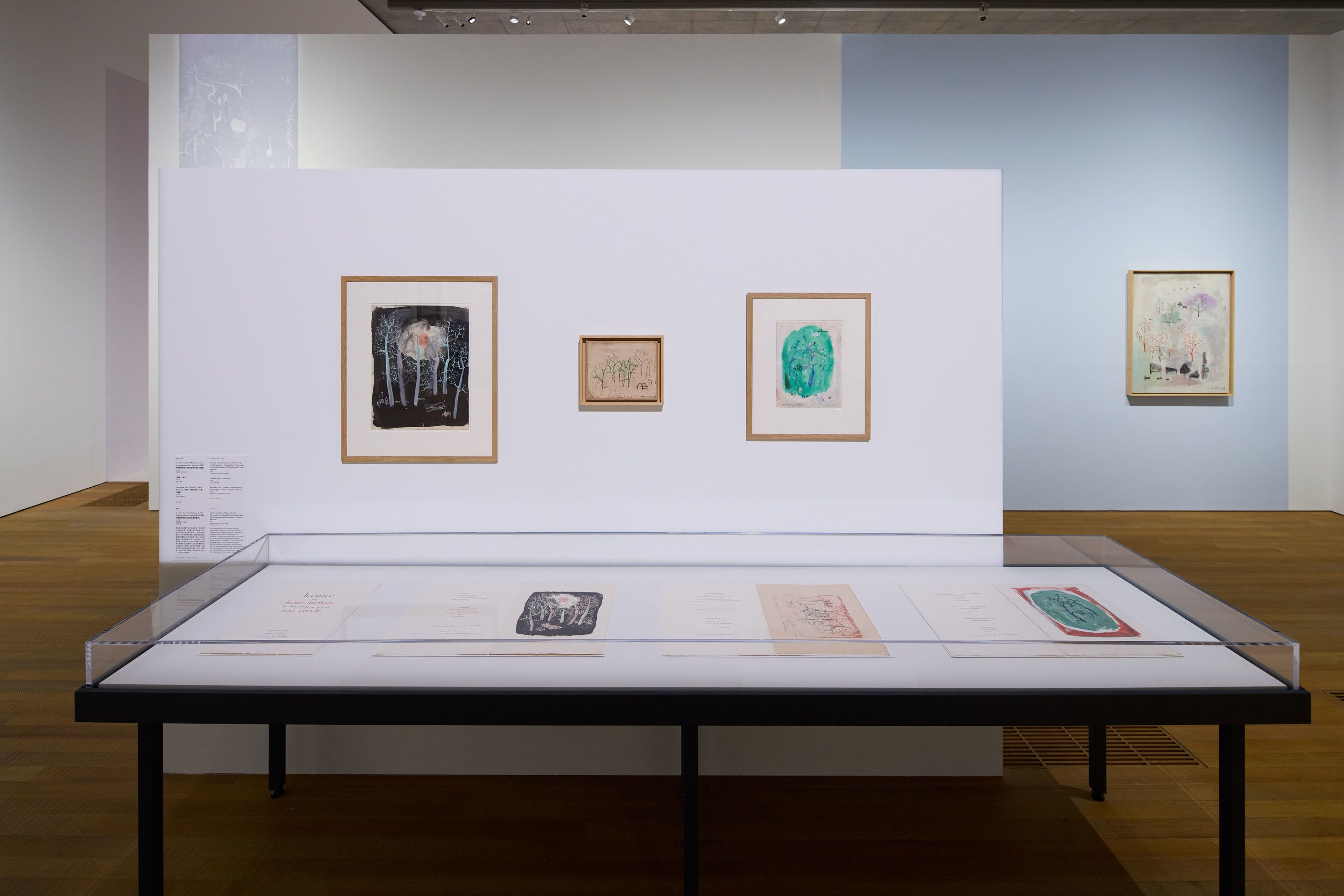
Installation view of Zao Wou-Ki: Master Printmaker, 2025. Zao Wou-Ki © ProLitteris, Zurich, 2025. Photo: Dan Leung © M+, Hong Kong
Installation view of Zao Wou-Ki: Master Printmaker, 2025. Zao Wou-Ki © ProLitteris, Zurich, 2025. Photo: Dan Leung © M+, Hong Kong

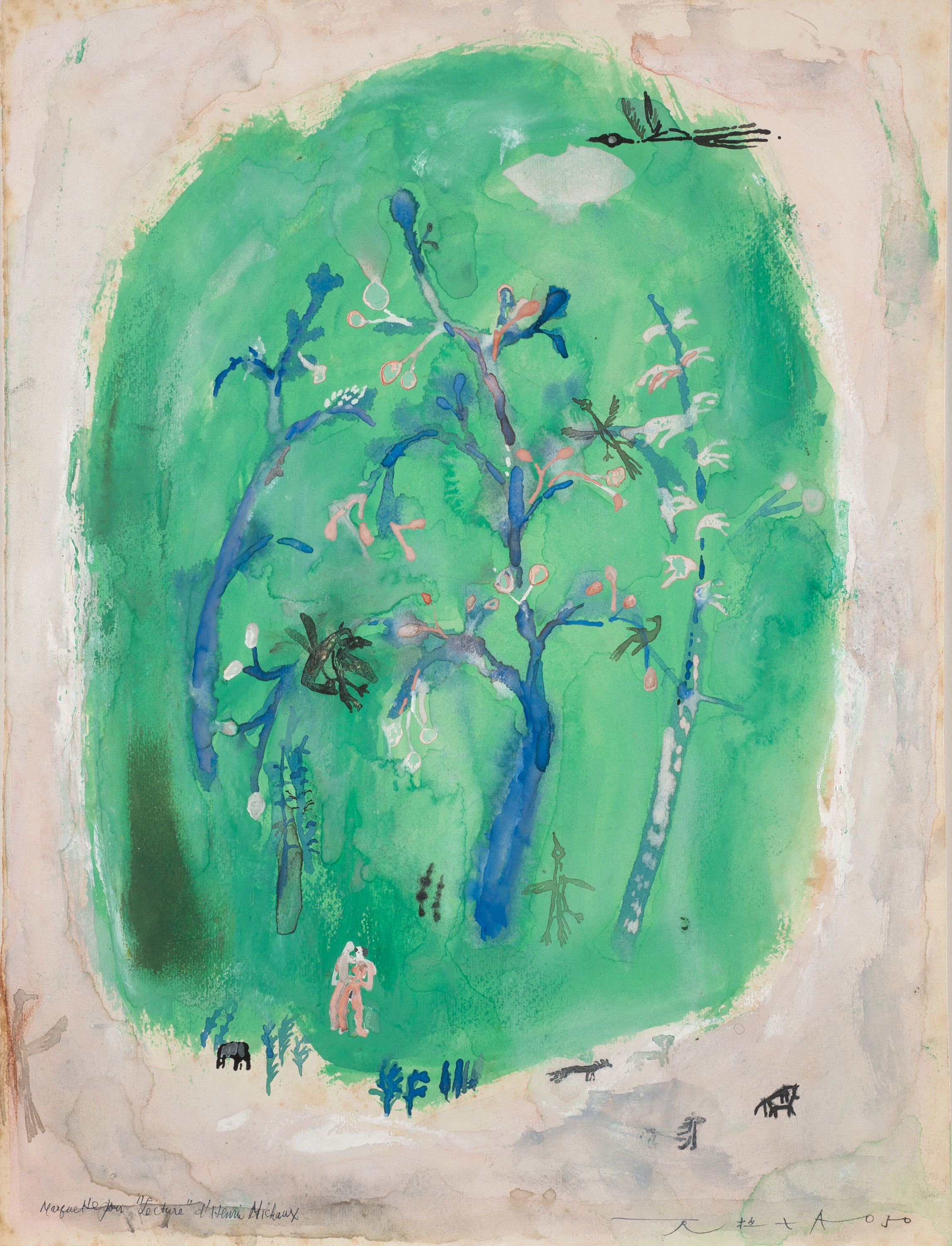
Zao Wou-Ki, Maquette pour “Lecture” d’Henri Michaux (Drawing for “Lecture” by Henri Michaux), 1950. Watercolor and gouache on paper. Private Collection. Zao Wou-Ki © ProLitteris, Zurich, 2025. Photo: Antoine Mercier. Image courtesy of Fondation Zao Wou-Ki
Zao Wou-Ki, Maquette pour “Lecture” d’Henri Michaux (Drawing for “Lecture” by Henri Michaux), 1950. Watercolor and gouache on paper. Private Collection. Zao Wou-Ki © ProLitteris, Zurich, 2025. Photo: Antoine Mercier. Image courtesy of Fondation Zao Wou-Ki
Painting within poetry
Zao made these six lithographic prints for Paris Poems, a poetry collection by American poet Harry Roskolenko about his time in the city. Zao and Roskolenko’s shared experiences as foreigners in Paris resulted in this dynamic exchange through images and words.
Most of the prints are monochrome and evoke the qualities of ink and watercolour, complementing the grim tone of Roskolenko’s writing. Some prints include direct visual references to elements in the poems, such as cyclists, cafes, and a cat.

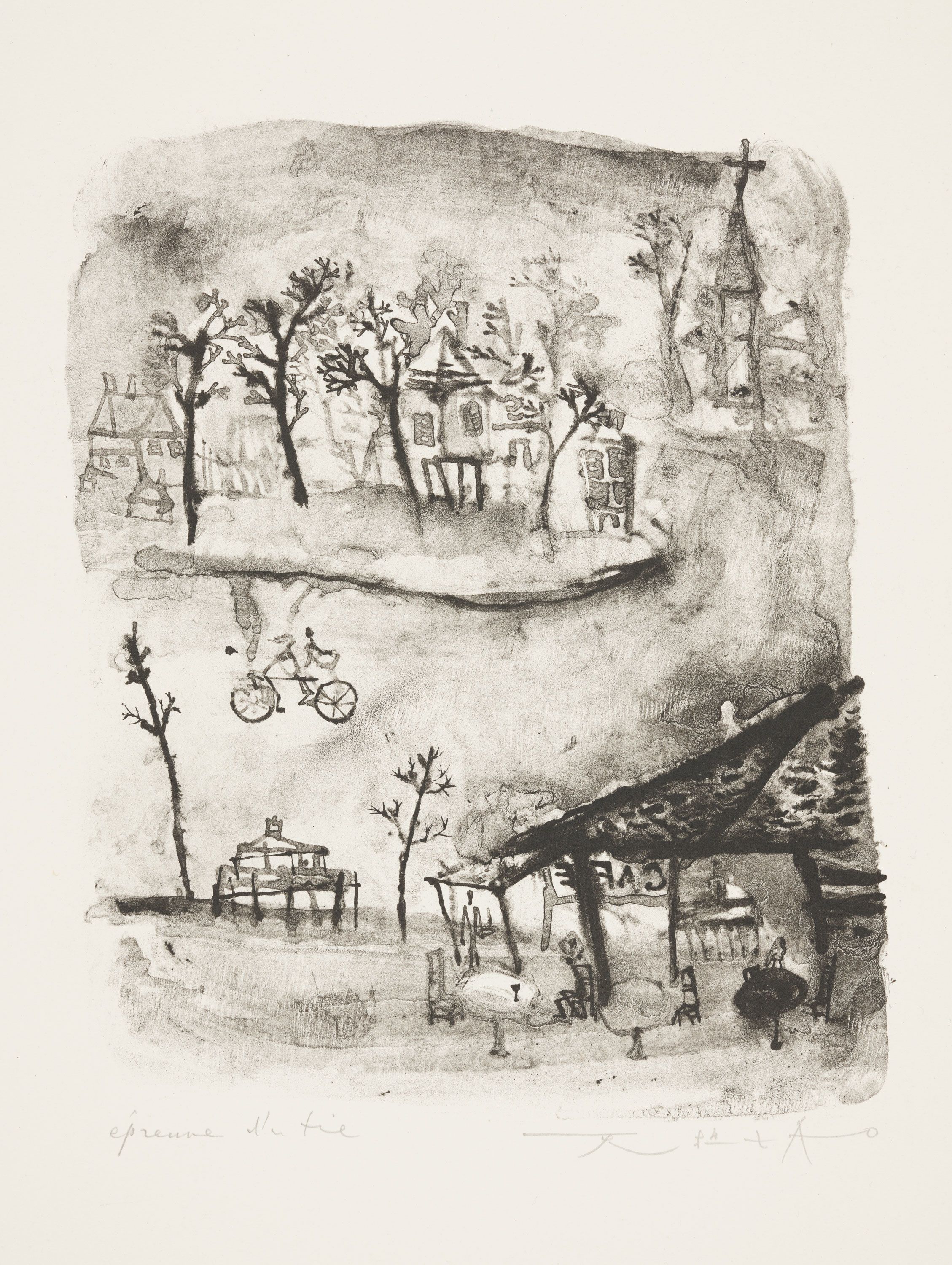

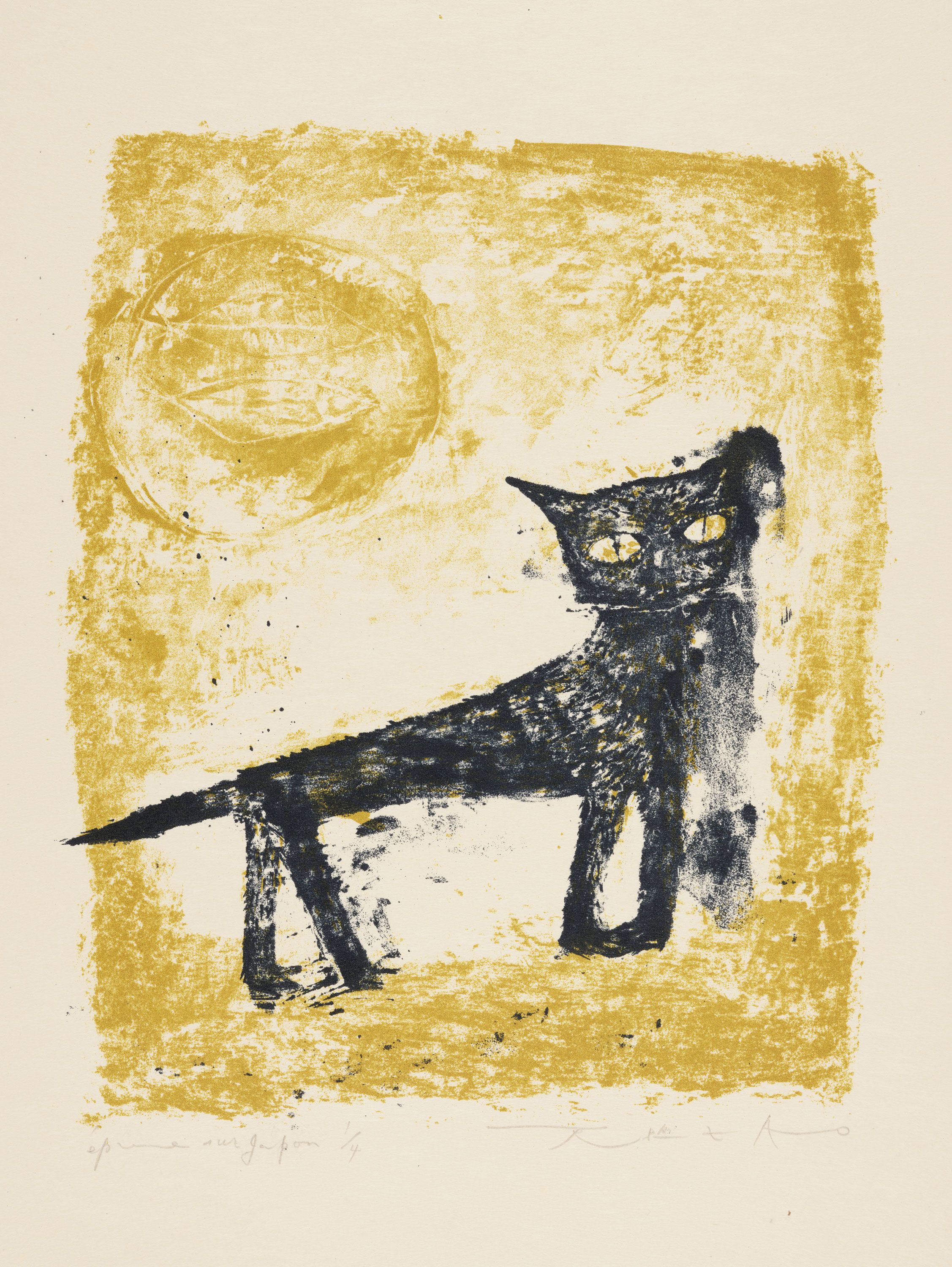

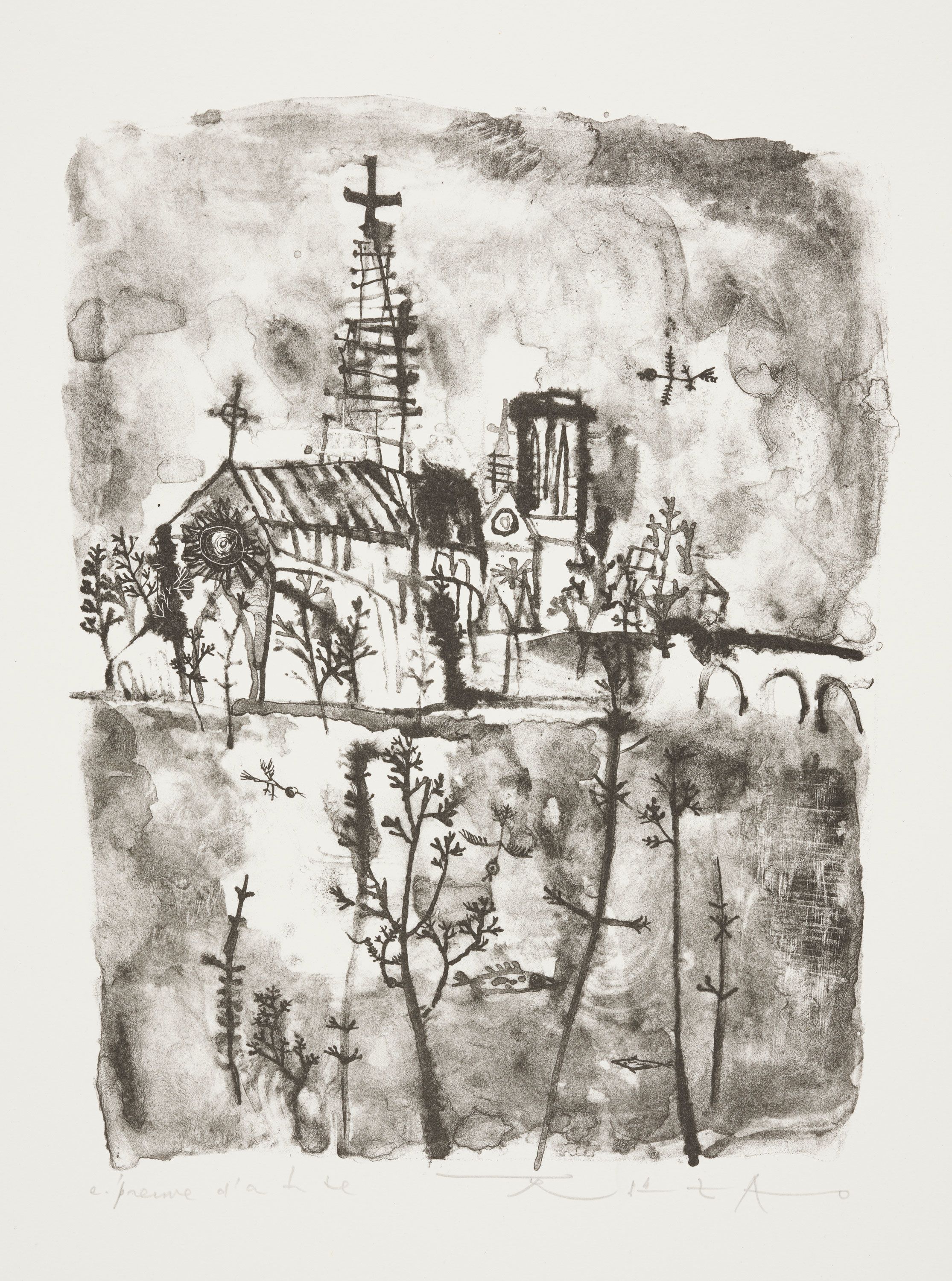

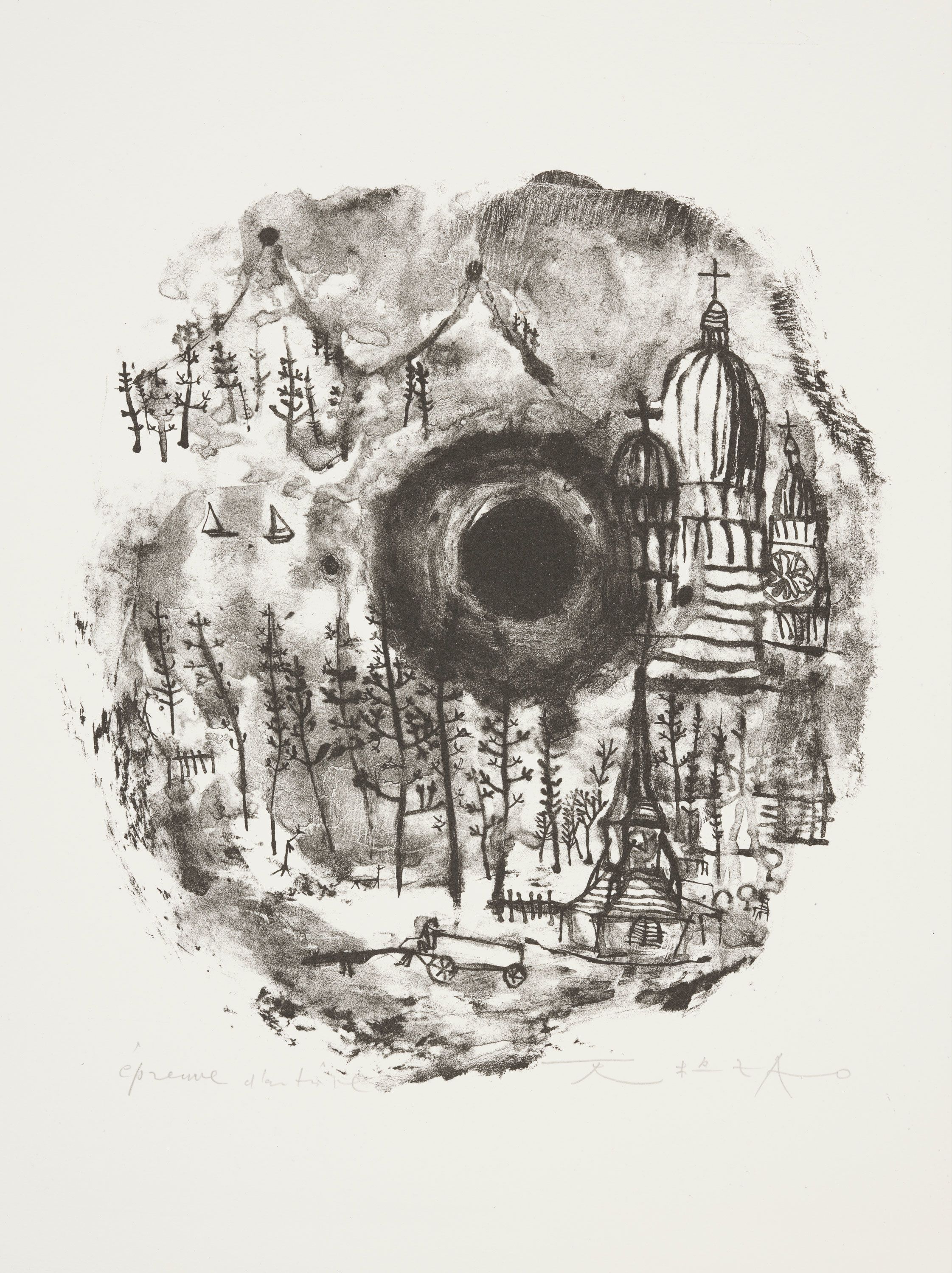

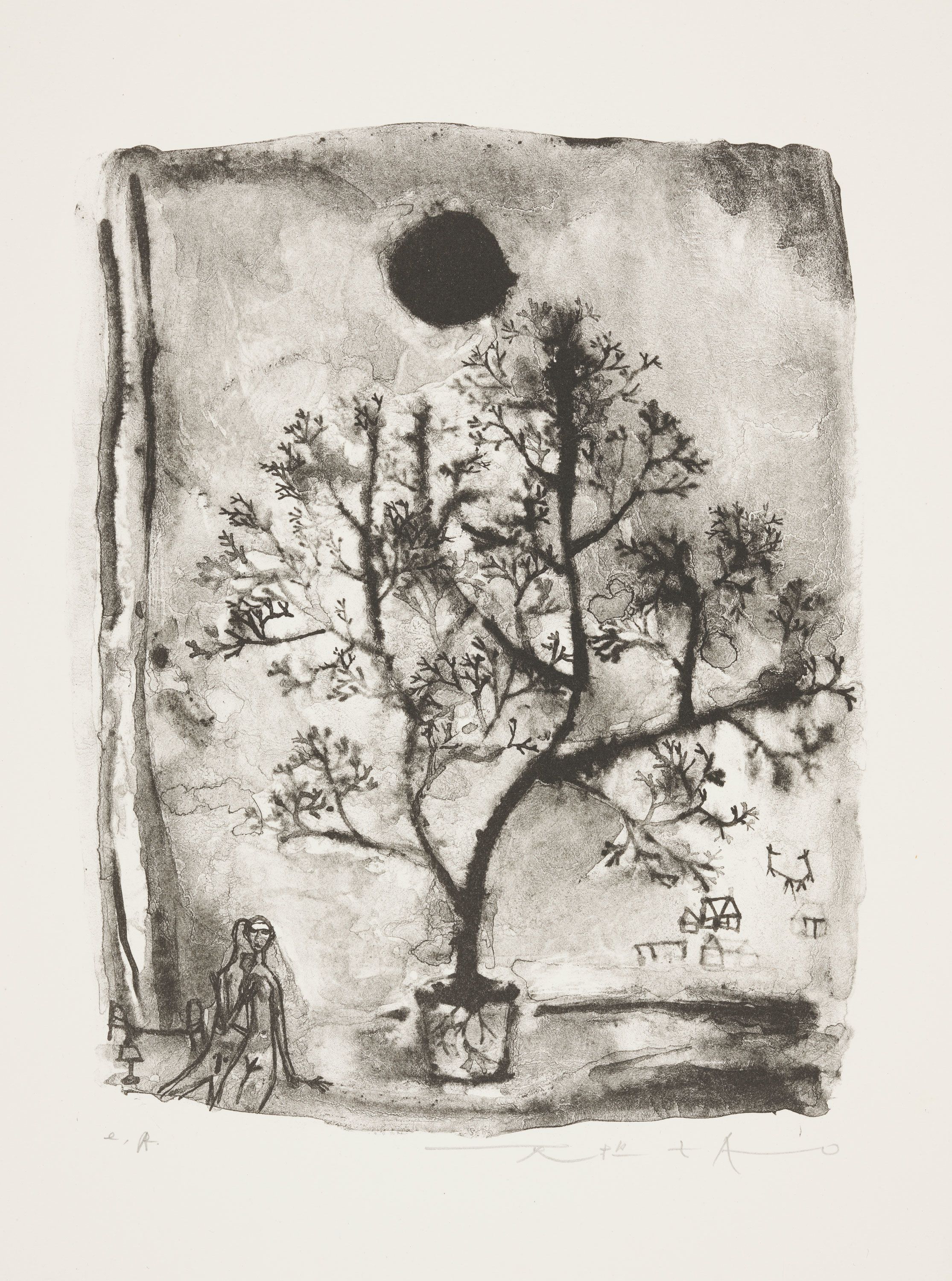

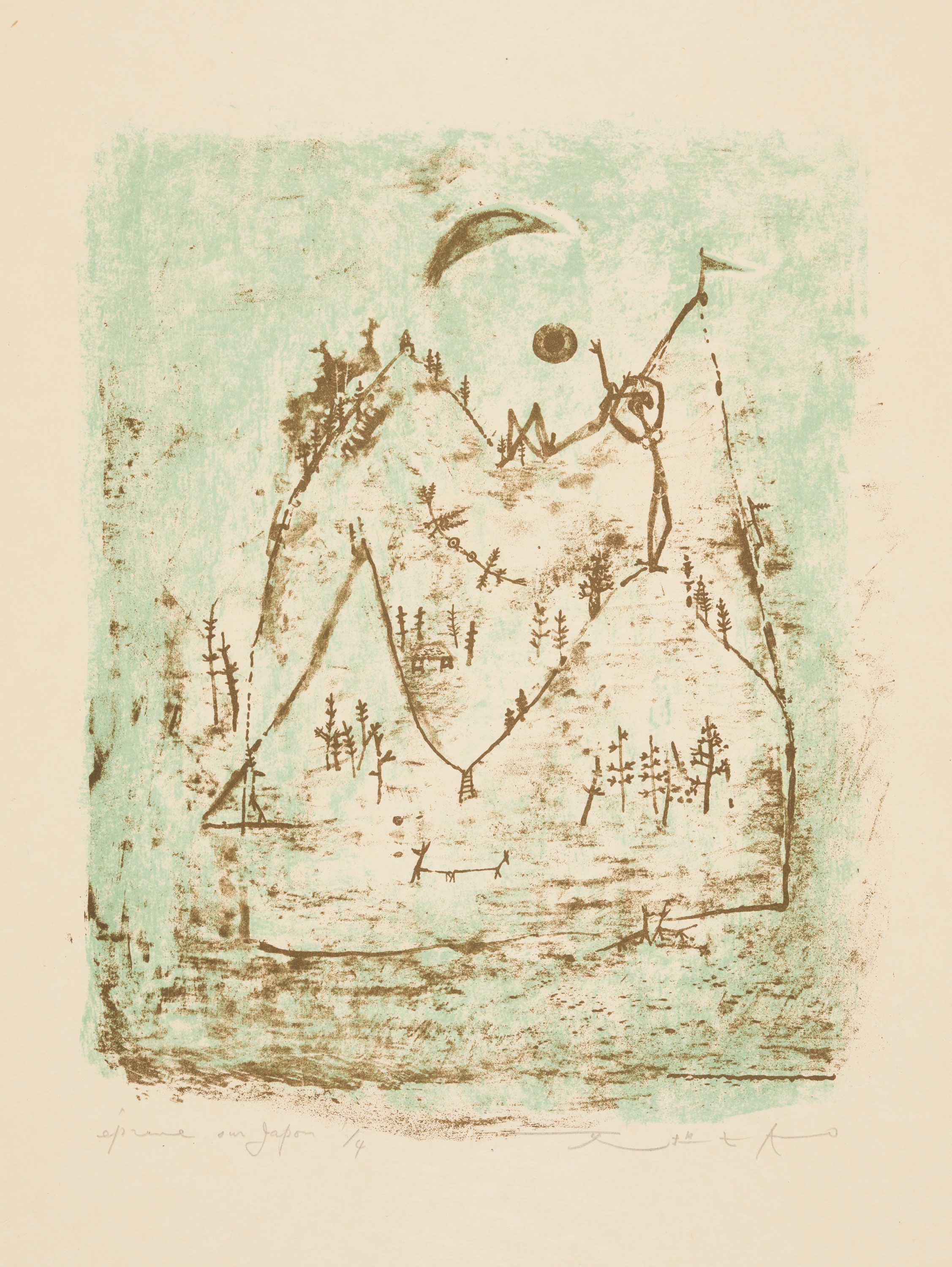


Zao Wou-Ki. Untitled, from Paris Poems by Harry Roskolenko, 1950. Lithograph. M+, Hong Kong. Gift of Françoise Marquet-Zao, 2024. Zao Wou-Ki © ProLitteris, Zurich, 2025. Photo: M+, Hong Kong
Towards Abstraction
1950s to 1960s
The 1950s saw Zao travelling the world. He was in Bern for an exhibition of his prints, and for the first time he laid eyes on an original work by Paul Klee. He believed Klee indicated an unprecedented approach to observing nature and not merely expressing it, one that enabled him to manifest as symbols a boundless imagination and objects representing the universe. Klee’s concept of signs released Zao from his desperate search for concrete themes, marking his first step towards abstract expression.

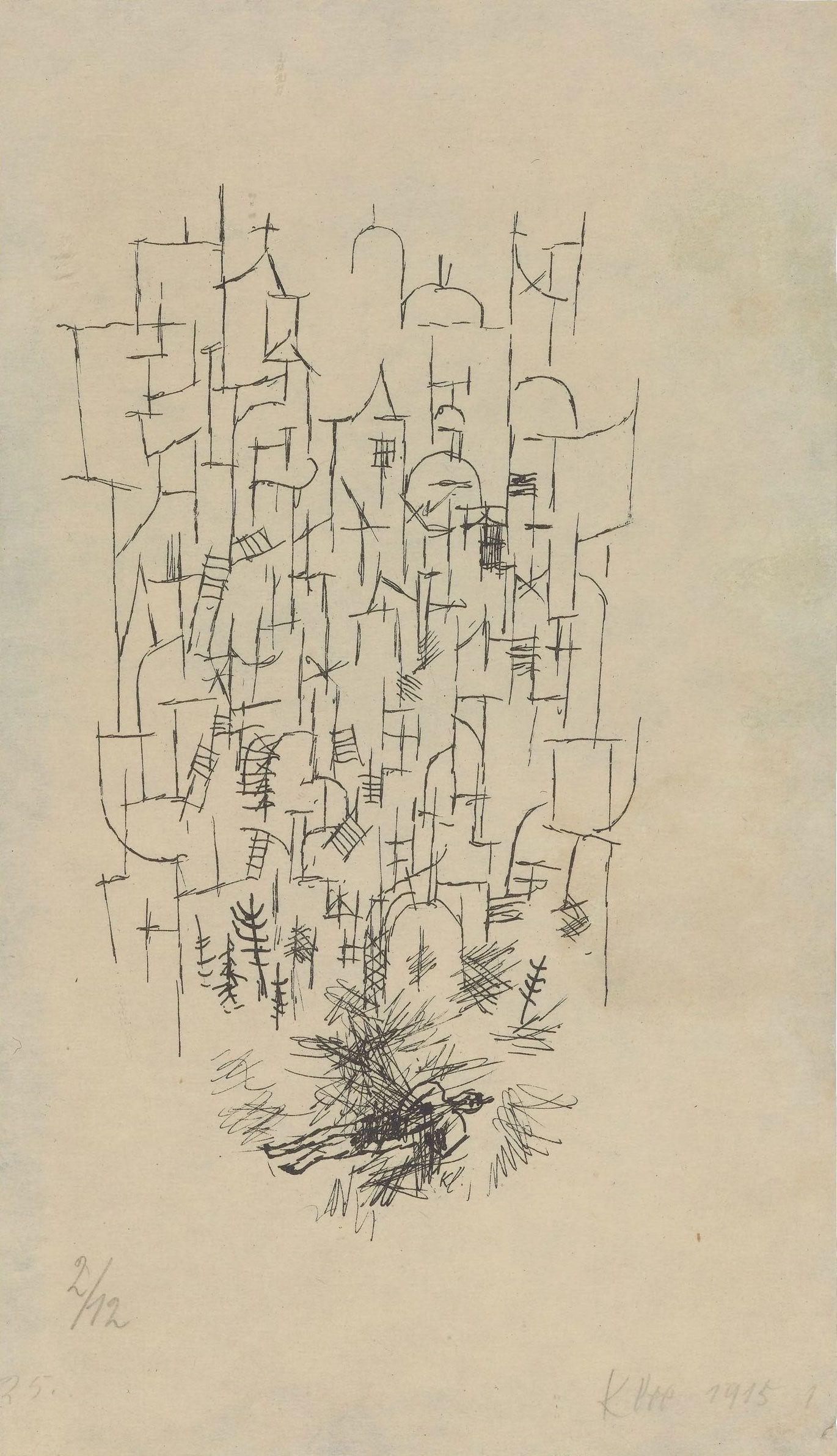
Paul Klee. Death for the Idea (Der Tod für die Idee), 1915. Lithograph. Photo: Staatsgalerie Stuttgart (https://www.staatsgalerie.de/de/sammlung-digital/tod-fuer-idee), marked as public domain
Paul Klee. Death for the Idea (Der Tod für die Idee), 1915. Lithograph. Photo: Staatsgalerie Stuttgart (https://www.staatsgalerie.de/de/sammlung-digital/tod-fuer-idee), marked as public domain
‘I spent hours studying these small rectangles of colour, punctuated with lines and signs, amazed by the freedom of lines and by the delicate, singing poetry which emerged from these tiny paintings.’
── Zao Wou-Ki
The fact that Klee’s art was profoundly influenced by Eastern culture also opened a window through which Zao could scrutinise his own roots. From an early age, Zao was exposed to his family’s antique collections, which included fragments of Chinese oracle bone script and ancient bronze vessels decorated in inscriptions. Although he resisted being labelled a traditional Chinese painter, he drew on his cultural heritage to create his own script-like forms. In particular, he created signs and symbols that resembled ancient Chinese characters.
At first glance, the two vertical structures in Two Trees, for example, may be hard to recognise until you read the title. Upon closer inspection, the work appears to be composed of symbols that look like Chinese oracle bone script.

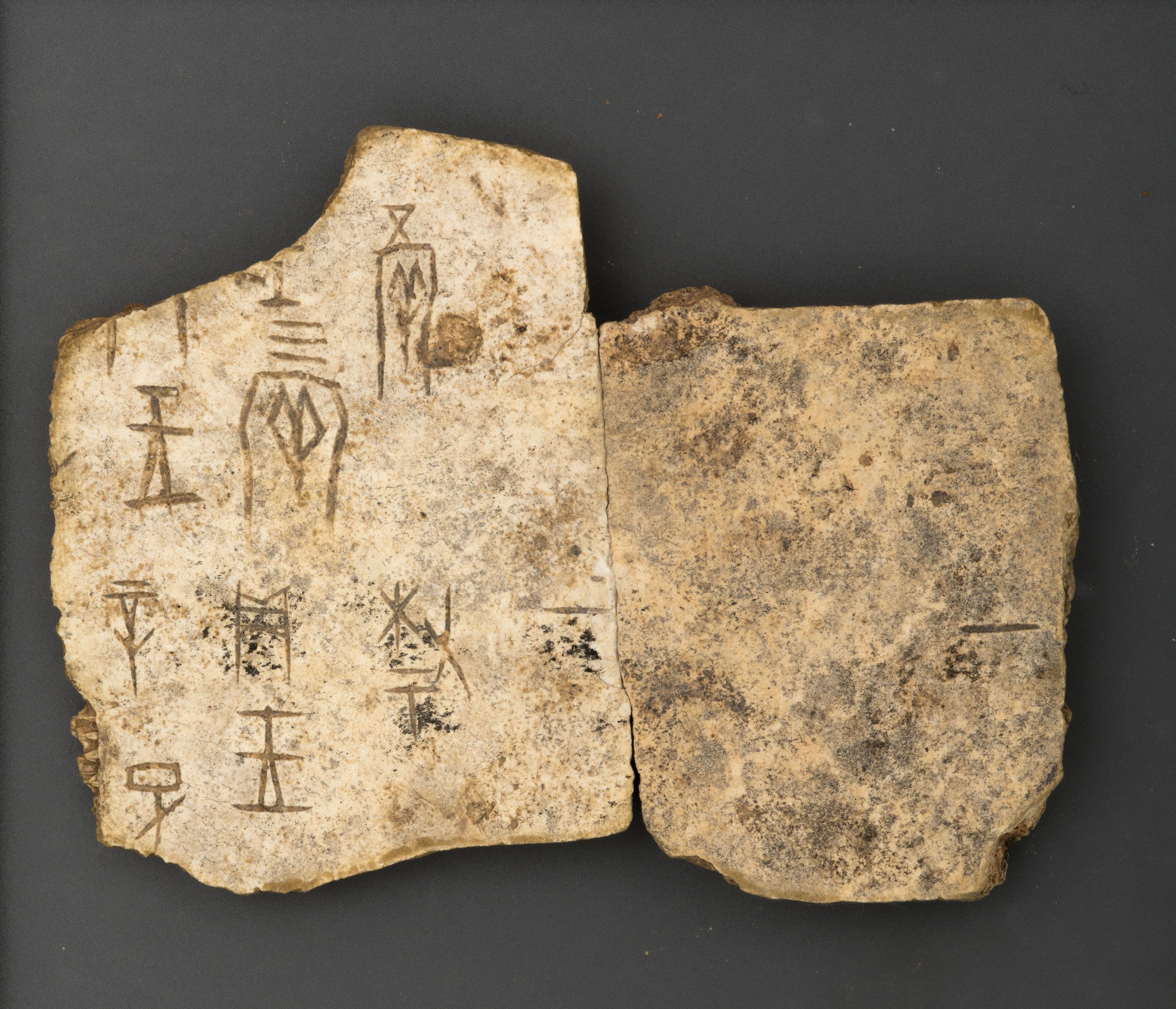
Chinese oracle bone script. Courtesy of the Chinese University of Hong Kong Library
Chinese oracle bone script. Courtesy of the Chinese University of Hong Kong Library

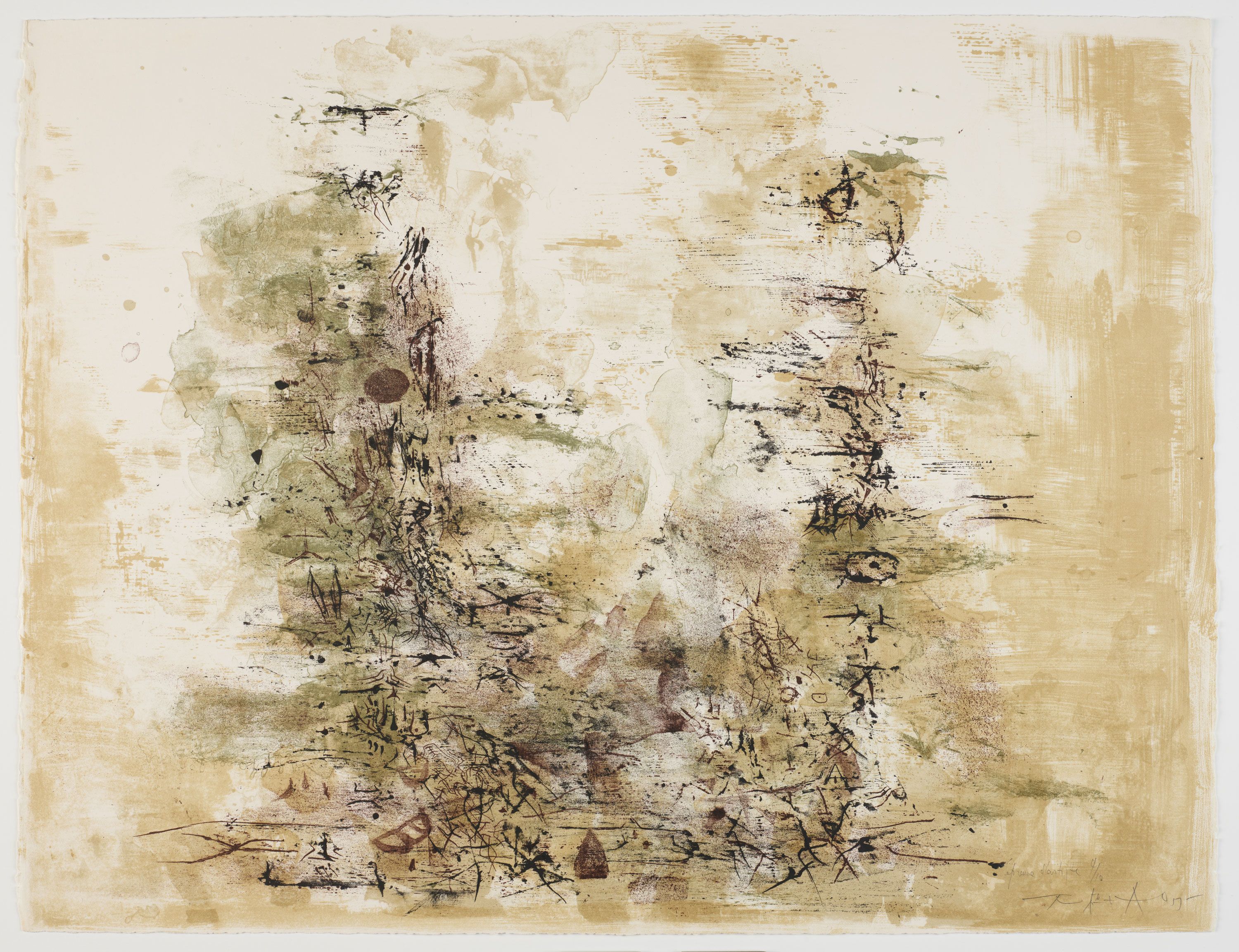
Zao Wou-Ki. Two Trees, 1955. Lithograph. M+, Hong Kong. Gift of Françoise Marquet-Zao, 2024. Zao Wou-Ki © ProLitteris, Zurich, 2025. Photo: M+, Hong Kong
Zao Wou-Ki. Two Trees, 1955. Lithograph. M+, Hong Kong. Gift of Françoise Marquet-Zao, 2024. Zao Wou-Ki © ProLitteris, Zurich, 2025. Photo: M+, Hong Kong
In 1951 and 1952, Zao travelled to Italy and Spain, where he captured the many things and cityscapes he encountered. In Piazza Siena (1951), he conveys depth by contrasting the vast, empty foreground with the dense cluster of buildings in the background. Zao’s style here, marked by flattened space, multiple perspectives, and simple lines, was likely influenced by Klee, who combined abstraction and representation in his work.

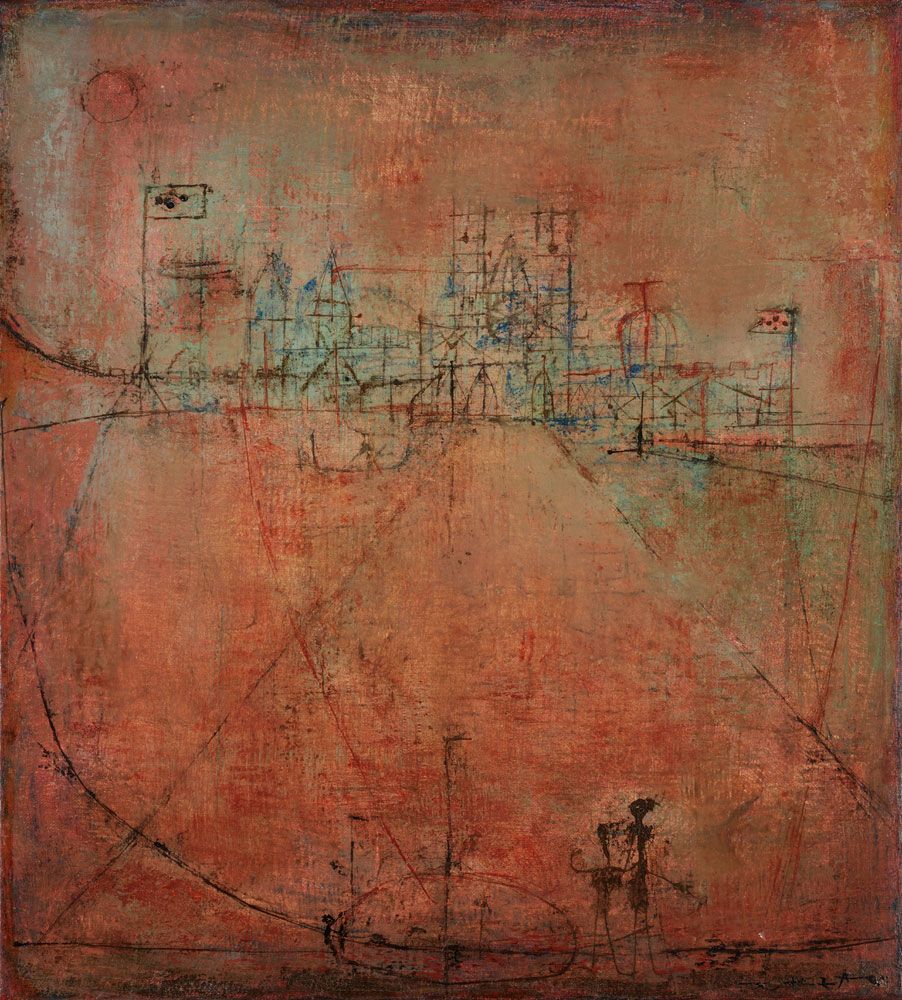
Zao Wou-Ki. Piazza Siena, 1951. Oil on canvas, M+, Hong Kong. Gift of Mrs Sin-May Roy Zao, 2020, Zao Wou-Ki © ProLitteris, Zurich, 2025. Photo: M+, Hong Kong
Zao Wou-Ki. Piazza Siena, 1951. Oil on canvas, M+, Hong Kong. Gift of Mrs Sin-May Roy Zao, 2020, Zao Wou-Ki © ProLitteris, Zurich, 2025. Photo: M+, Hong Kong
This work shows how natural elements became more abstract in Zao’s works from the 1970s. His earlier paintings feature more natural depictions of land and water. In Untitled, however, the scene becomes more ambiguous. The two sweeps of smooth brown paint along the sides could represent rocky banks enclosing a cascading waterfall or distant hills framing a cluster of dry trees.

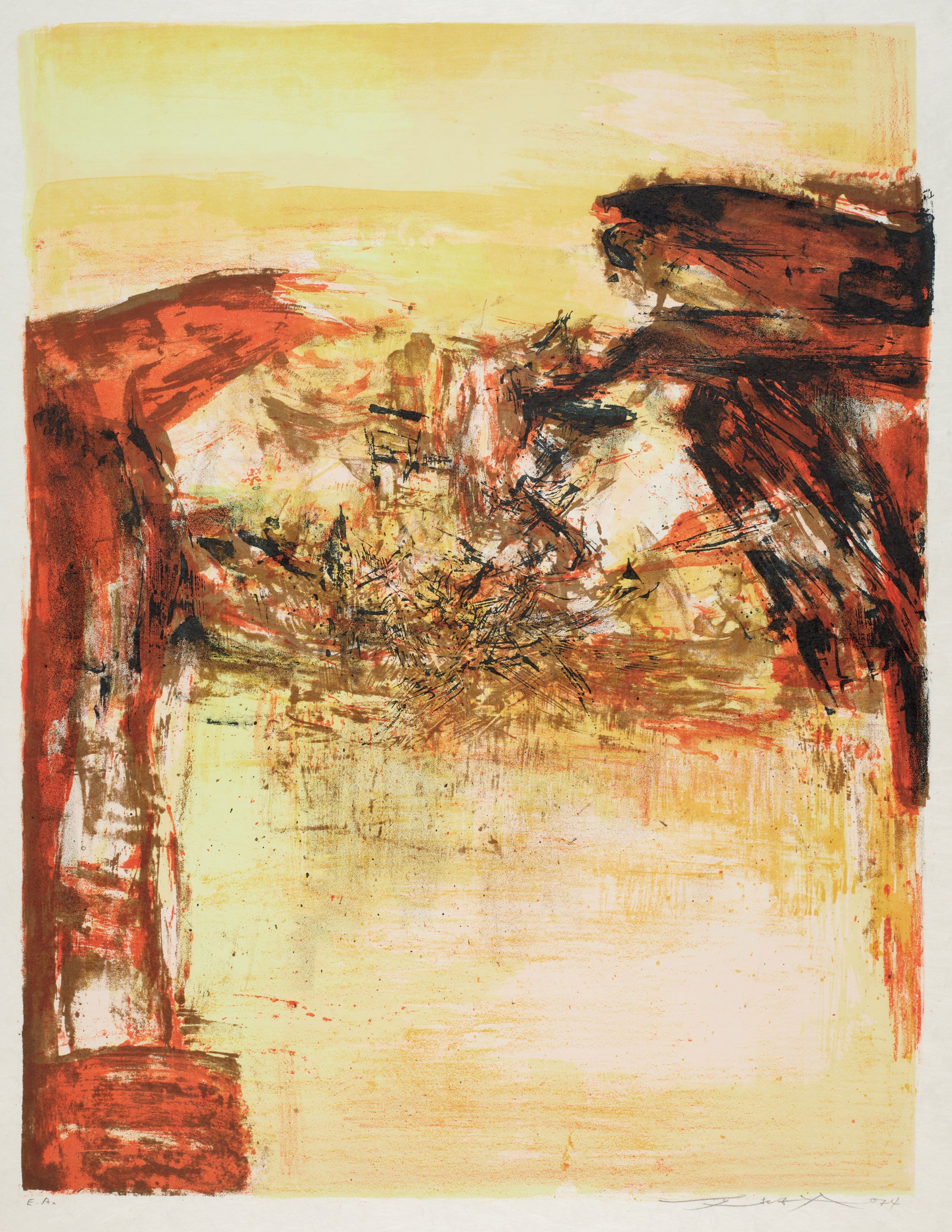
Zao Wou-Ki. Untitled, 1974. Lithograph. M+, Hong Kong. Gift of Françoise Marquet-Zao, 2024. Zao Wou-Ki © ProLitteris, Zurich, 2025. Photo: M+, Hong Kong
Zao Wou-Ki. Untitled, 1974. Lithograph. M+, Hong Kong. Gift of Françoise Marquet-Zao, 2024. Zao Wou-Ki © ProLitteris, Zurich, 2025. Photo: M+, Hong Kong
Moving from the figurative to the abstract
These three works showcase the transformation of Zao’s artistic style—from figurative forms transformed into symbols, ultimately moving toward abstraction.

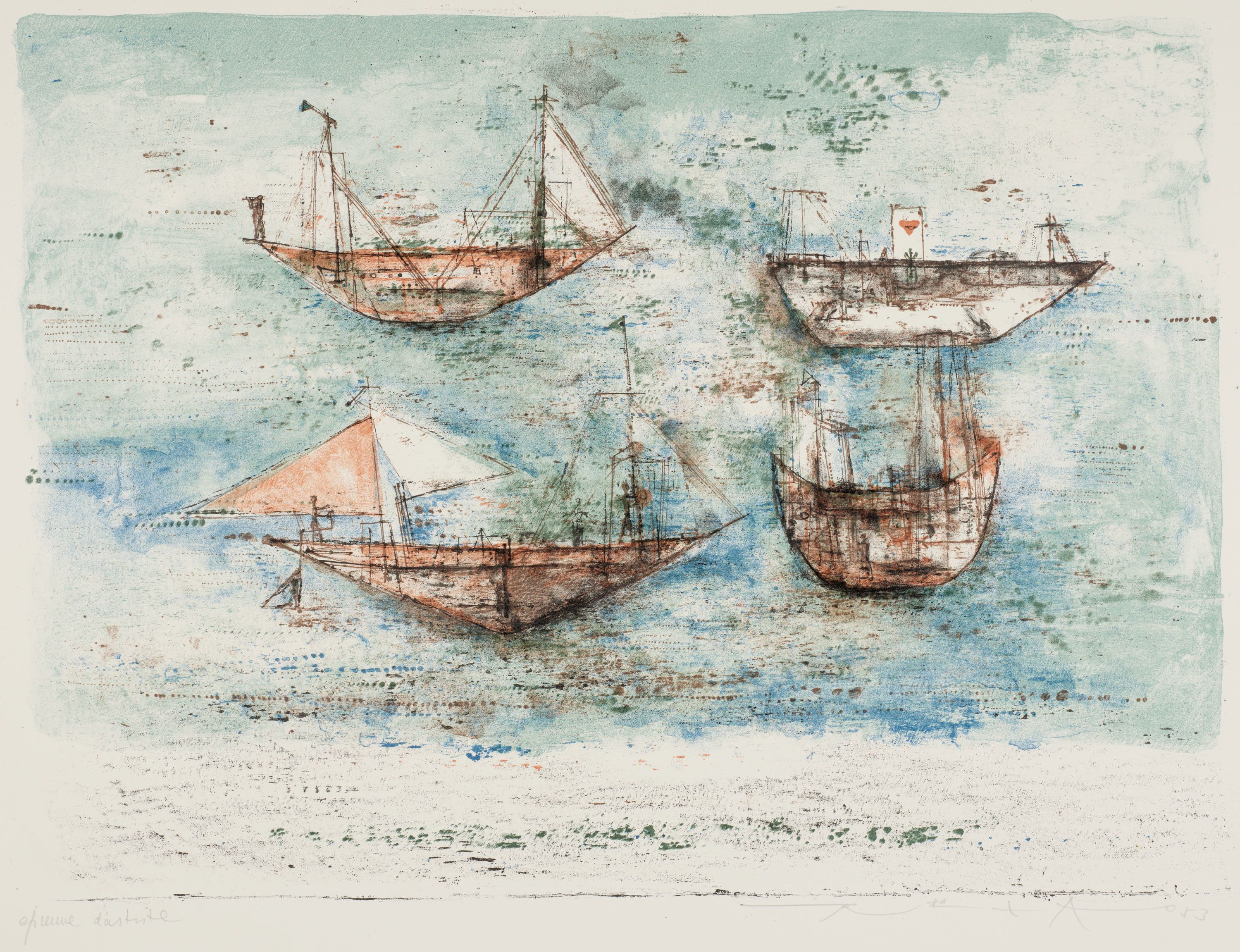
Zao Wou-Ki. Sailing Ships at Sea, 1953. Lithograph. M+, Hong Kong. Gift of Françoise Marquet Zao, 2024. Zao Wou-Ki © ProLitteris, Zurich, 2025. Photo: M+, Hong Kong
Zao Wou-Ki. Sailing Ships at Sea, 1953. Lithograph. M+, Hong Kong. Gift of Françoise Marquet Zao, 2024. Zao Wou-Ki © ProLitteris, Zurich, 2025. Photo: M+, Hong Kong
In Sailing Ships at Sea (1953), Zao removes the horizon line, making the four boats appear to float in space.

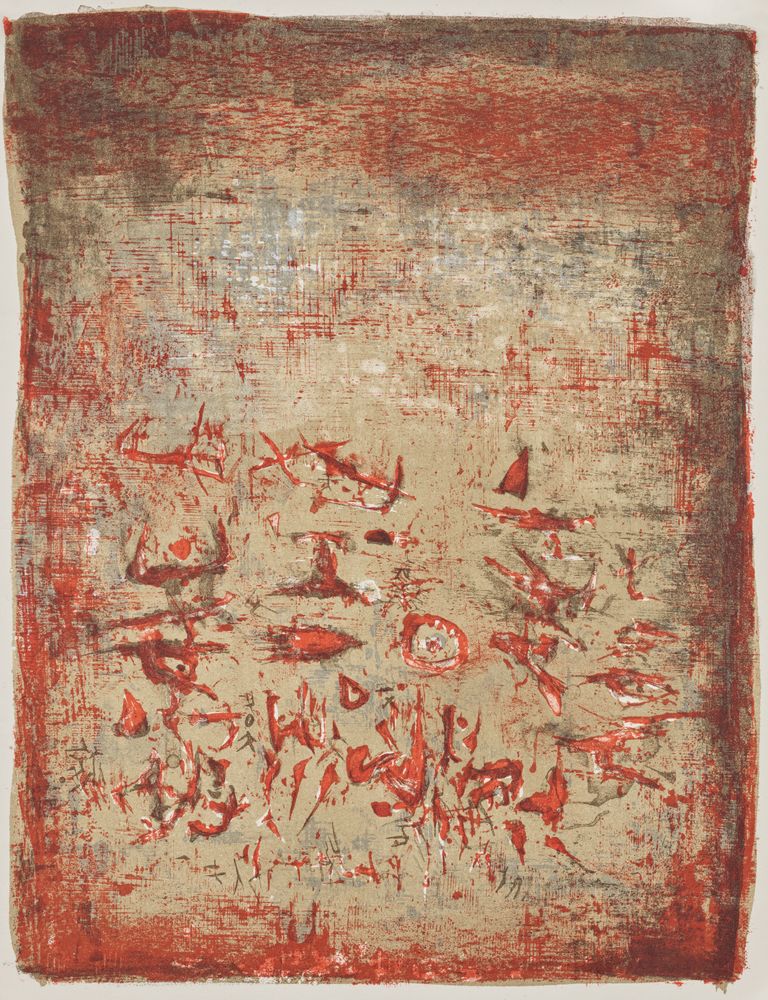
Zao Wou-Ki. Untitled, 1957. Lithograph. M+, Hong Kong. Gift of Mrs Sin-May Roy Zao, 2020. Zao Wou-Ki © ProLitteris, Zurich, 2025. Photo: M+, Hong Kong
Zao Wou-Ki. Untitled, 1957. Lithograph. M+, Hong Kong. Gift of Mrs Sin-May Roy Zao, 2020. Zao Wou-Ki © ProLitteris, Zurich, 2025. Photo: M+, Hong Kong
In this print, Zao’s invented language takes centre stage, with individual symbols carefully arranged to form dynamic clusters.

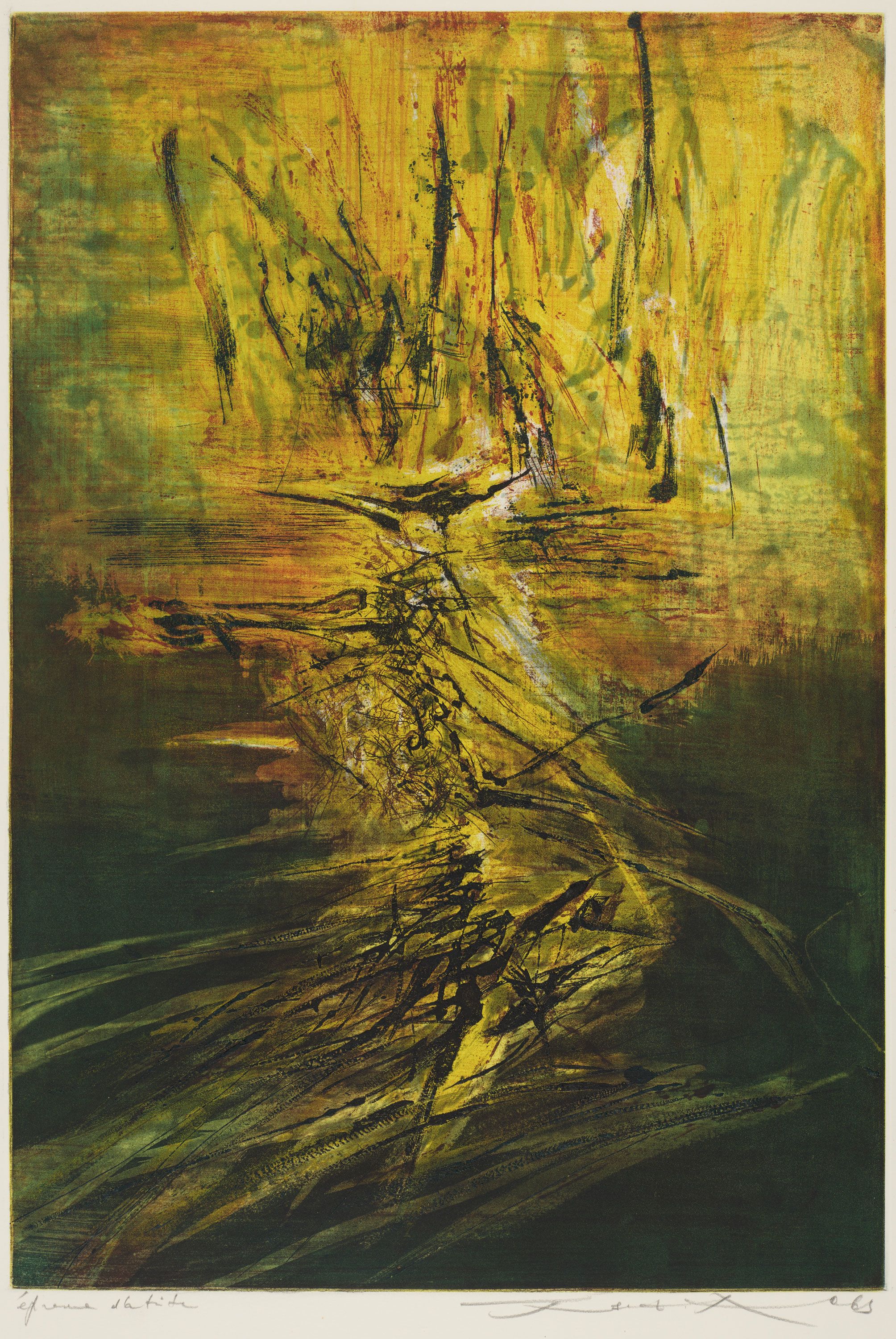
Zao Wou-Ki. Untitled, 1963. Etching and aquatint. M+, Hong Kong. Gift of Françoise Marquet Zao, 2024. Zao Wou-Ki © ProLitteris, Zurich, 2025. Photo: M+, Hong Kong
Zao Wou-Ki. Untitled, 1963. Etching and aquatint. M+, Hong Kong. Gift of Françoise Marquet Zao, 2024. Zao Wou-Ki © ProLitteris, Zurich, 2025. Photo: M+, Hong Kong
After 1957, Zao almost stopped giving titles to his works, signalling his move toward abstraction.
Returning to Roots
1970s
After decades of working with Western techniques, such as oil painting, watercolour, lithography, and etching, Zao reconnected with ink in 1971, bringing a new perspective to it. Although his good friend, Michaux, encouraged this development, it was also a practical decision—Zao needed to care for his ailing second wife, Chan May-Kan, and he could no longer spend hours on oil paintings. When his wife passed away in 1972, he revisited China, which solidified his desire to embrace monochrome ink painting again.

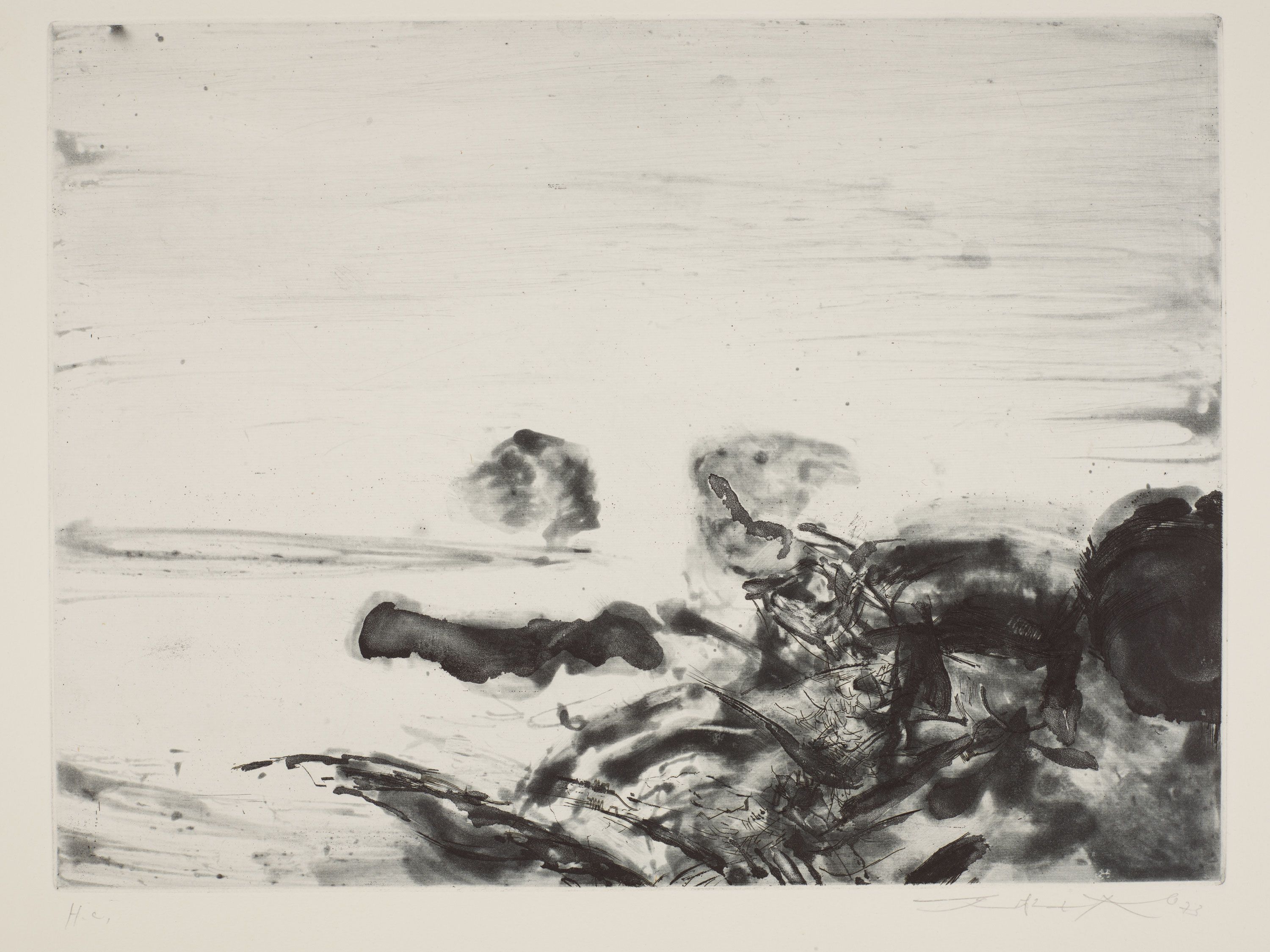
Zao Wou-Ki. Untitled, 1973. Etching and aquatint. M+, Hong Kong. Gift of Françoise Marquet-Zao, 2024. Zao Wou-Ki © ProLitteris, Zurich, 2025. Photo: M+, Hong Kong
Zao Wou-Ki. Untitled, 1973. Etching and aquatint. M+, Hong Kong. Gift of Françoise Marquet-Zao, 2024. Zao Wou-Ki © ProLitteris, Zurich, 2025. Photo: M+, Hong Kong
‘Although the influence of Paris is undeniable in all my training as an artist, I also wish to say that I have gradually rediscovered China . . . Paradoxically, perhaps, it is to Paris I owe this return to my deepest origins.’
── Zao Wou-Ki
No Boundaries
Zao’s creative practice entered a new phase after the mid-1970s, following his marriage to Françoise Marquet. Finally, there was harmony between his emotional world and the outer world. He was liberated from whatever agitated him and he could do as he wished, simply expressing the joy of living without having to break boundaries. His use of colour became more vibrant and his composition more versatile.
During this period, Zao developed his printmaking with more versatility and freedom than ever before. He mixed techniques from Chinese and European artistic traditions to express ideas of harmony, balance, and nature inspired by Taoist philosophy. Over time, Zao’s poetic compositions became more varied, and his colour palettes grew brighter. He continued to push the boundaries of printmaking—in some works, he used as many as fourteen different colours, which is uncommon for a print. During this time, collaborating with other artists and writers compelled him to experiment and evolve.

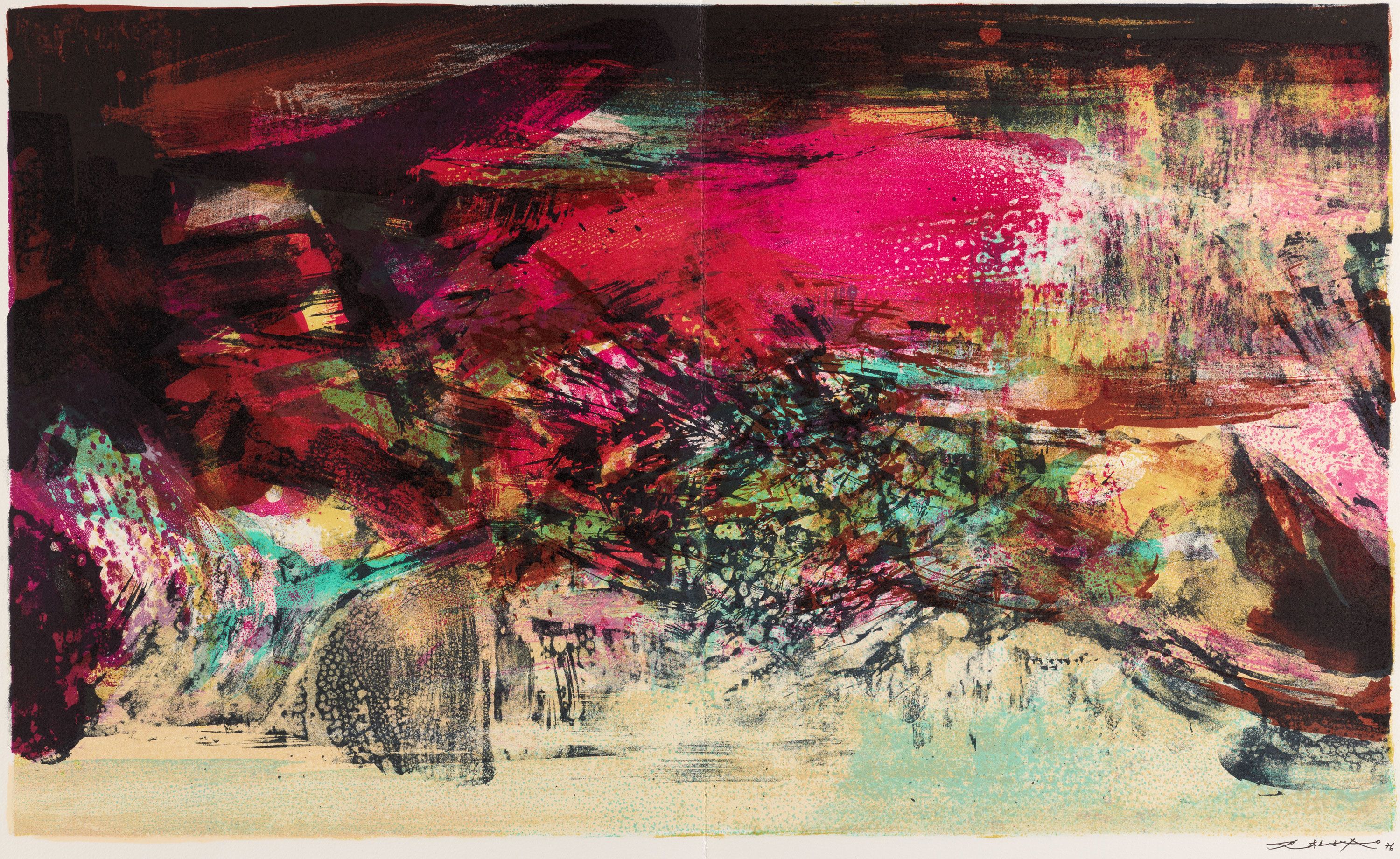
Zao Wou-Ki. Untitled from À la gloire de l'image et art poétique (To the Glory of the Image and the Art of Poetry), 1977. Lithograph. M+, Hong Kong. Gift of Françoise Marquet Zao, 2024. Zao Wou-Ki © ProLitteris, Zurich, 2025. Photo: M+, Hong Kong
Zao Wou-Ki. Untitled from À la gloire de l'image et art poétique (To the Glory of the Image and the Art of Poetry), 1977. Lithograph. M+, Hong Kong. Gift of Françoise Marquet Zao, 2024. Zao Wou-Ki © ProLitteris, Zurich, 2025. Photo: M+, Hong Kong
‘Endlessly I paint, for in this world, this alone is what I know to do. Painting fascinates me and keeps me awake; even when I sleep, I never sleep deeply.’
── Zao Wou-Ki
2000 onwards
Considering the exposure to various chemicals involved in printmaking, in addition to wanting a change, Zao stopped making prints in 2000 and gave away his printmaking tools to friends. However, this did not mean his half-century of printmaking had ended. Despite not participating in production, he continued to collaborate with technicians to turn his ink and watercolour paintings into lithographs larger than the originals, serving as an extension of his decades-long printmaking practice.

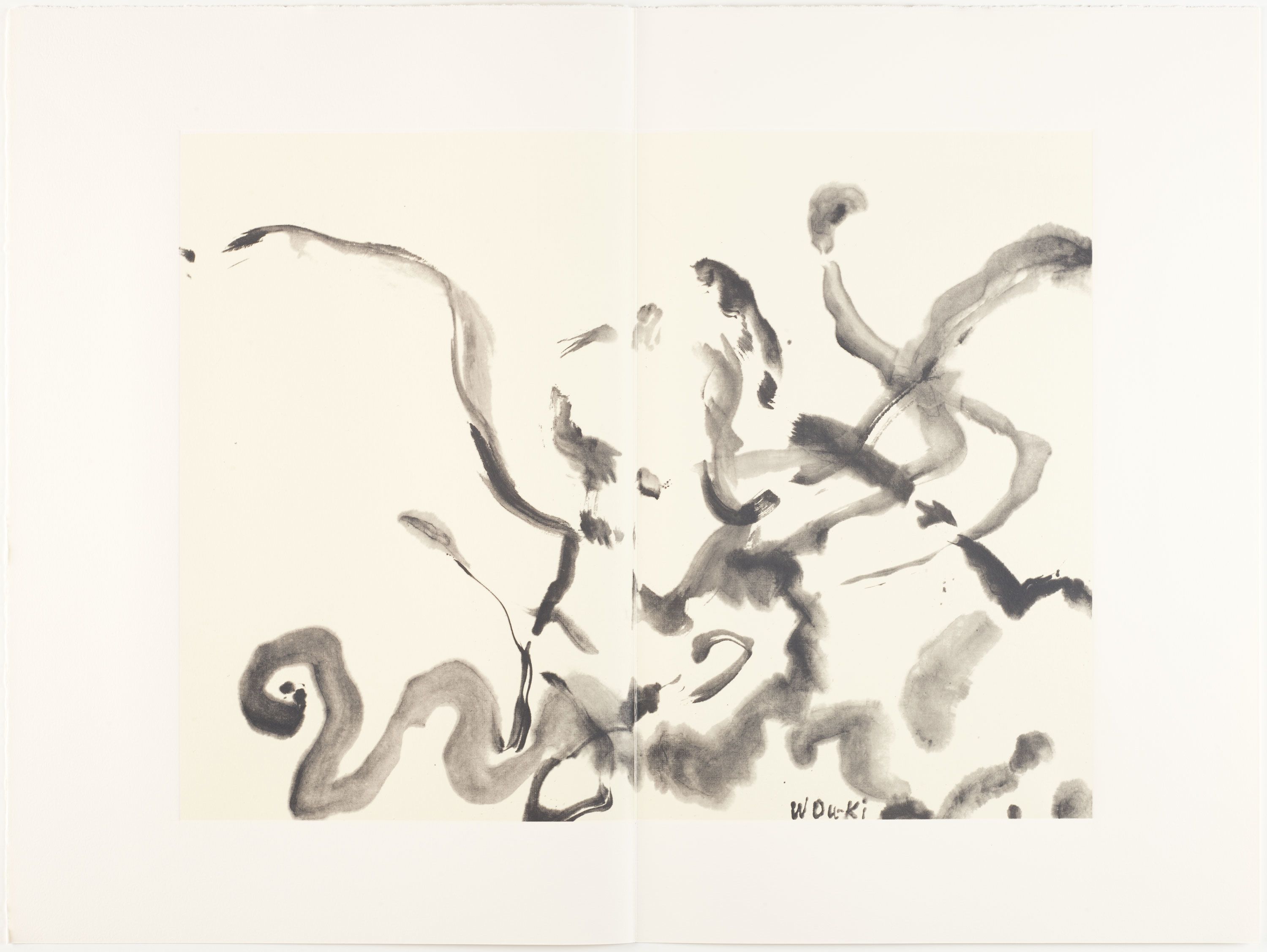
Zao Wou-Ki. Là-bas (Below) by the author Dominique de Villepin, 2006. Illustrated book, print on paper. M+, Hong Kong. Gift of Françoise Marquet-Zao, 2024. Zao Wou-Ki © ProLitteris, Zurich, 2025. Photo: M+, Hong Kong
Zao Wou-Ki. Là-bas (Below) by the author Dominique de Villepin, 2006. Illustrated book, print on paper. M+, Hong Kong. Gift of Françoise Marquet-Zao, 2024. Zao Wou-Ki © ProLitteris, Zurich, 2025. Photo: M+, Hong Kong
‘I do not fear growing old, nor do I fear death. As long as I can still paint, I have nothing to fear . . . ’
── Zao Wou-Ki
Zao Wou-Ki: Master Printmaker is on view at M+ from 13 Dec 2025 to 3 May 2026.
Parts of the article were adapted from the exhibition monograph Zao Wou-Ki: Master Printmaker by Yann Hendgen and Wu Mo.
Credits
Produced by M+
Text compiled by: Kian Kam
English editorial: Tiffany Luk, Patrick Rhine, Anthony Tao, Jade Yung
Chinese editorial: Amy Leung, Lam Lap Wai, Or Ka Uen
Translation: Good & Cheap, Jiechua Huang, Piera Chan, Amy Li, Winny Leung
Curatorial research: Yann Hendgen, Wu Mo, Annessa Chan
Layout: Amy Leung
Rights and reproductions: Joanne Tang, Vianna Chan
Special thanks: Fondation Zao Wou-Ki